




What's Happening?
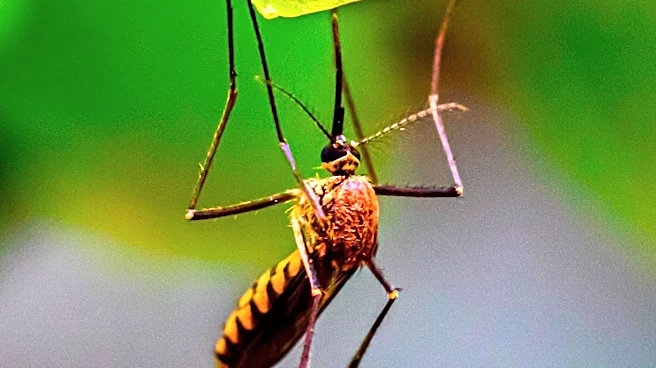
Residents across Utah have reported a noticeable increase in pest activity during the hot summer months. Reports include sightings of ants, black widow spiders, ticks, and orb weavers. A Facebook post in the Hurricane Utah Community group highlighted
the issue, with many residents noting ants invading their homes despite regular pest control efforts. Entomologist Trent Frazer attributes the unusual black widow activity to a warmer winter, which allowed these spiders to become active earlier and produce more egg sacs. While black widows are venomous, bites are rarely fatal, but caution is advised. Additionally, ticks have been reported near Orem City Center Park, prompting health officials to remind the public about the potential for tick-borne diseases. Visitors to Antelope Island State Park are also seeing the return of western spotted orb weavers, which are harmless and help control insect populations.
Why It's Important?
The increase in pest activity has significant implications for public health and safety in Utah. The presence of black widow spiders and ticks raises concerns about potential venomous bites and tick-borne diseases, respectively. This situation underscores the importance of public awareness and preventive measures, such as using insect repellent and avoiding areas with high pest activity. The economic impact on pest control services could also be notable, as more residents may seek professional help to manage infestations. Additionally, the ecological role of certain pests, like orb weavers, highlights the balance between pest control and environmental conservation.
What's Next?
Residents are likely to continue monitoring and reporting pest activity as the summer progresses. Health officials may increase public awareness campaigns to educate the community on preventive measures and safe practices when dealing with pests. Pest control companies might see a rise in demand for their services, prompting them to adapt strategies to effectively manage the increased pest populations. The situation may also lead to further studies on the impact of climate conditions on pest behavior and population dynamics in the region.