
What's Happening?
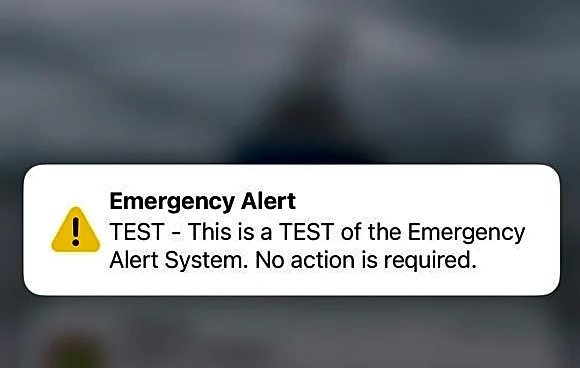
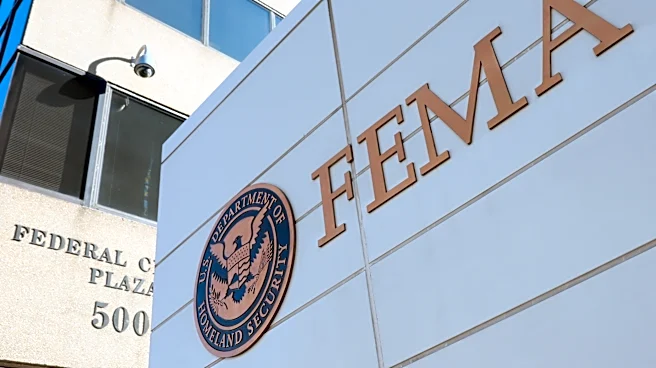
A nationwide test of the Emergency Alert System (EAS) is scheduled for Tuesday afternoon, November 17, around 1:20 p.m. The Federal Emergency Management Agency (FEMA) and the Federal Communications Commission
(FCC) are conducting this test, which will interrupt normal programming across various platforms. Radio and television broadcasters, cable systems, satellite radio and television providers, and wireline video providers nationwide will relay a test message. The public is not required to take any action during this test. FEMA is legally mandated to conduct a nationwide test of the public alert and warning system at least once every three years. These tests are crucial for identifying any technical or operational issues within the system before it is needed for an actual emergency. The EAS is a national public warning system comprising thousands of communication providers, designed to allow the President to address the American people or share life-saving information during national emergencies.
Why It's Important?
This nationwide test is a critical exercise in maintaining the readiness and effectiveness of the U.S. emergency communication infrastructure. By regularly testing the EAS, FEMA and FCC ensure that the system can reliably deliver vital information to the public during real-world crises, such as natural disasters, national security threats, or other emergencies. Identifying and rectifying technical glitches or operational shortcomings during a test prevents potential failures when the system is most needed, which could otherwise have severe consequences for public safety. The ability for the President to communicate directly with the American people during a national emergency is a cornerstone of national crisis management, making the integrity of the EAS paramount. This test reinforces the government's commitment to public safety and preparedness.
What's Next?
Following the nationwide EAS test, FEMA and the FCC will analyze the results to assess the system's performance. This analysis will involve collecting data from participating broadcasters and providers to identify any areas of weakness or failure in message delivery. Based on these findings, the agencies will implement necessary technical adjustments, operational improvements, or policy changes to enhance the system's reliability and reach. The insights gained from this test will inform future upgrades and maintenance protocols for the EAS. The public can expect similar tests to occur periodically, as mandated by law, ensuring continuous readiness for national emergencies. These ongoing evaluations are essential for maintaining a robust and dependable national warning system.
Beyond the Headlines
The Emergency Alert System test, while seemingly routine, underscores the complex interplay between technology, government regulation, and public safety in a modern society. It highlights the critical infrastructure that operates largely unseen but is vital for national resilience. Beyond its immediate function of warning the public, the EAS represents a fundamental aspect of governmental responsibility to protect its citizens. The system's reliance on a vast network of private communication providers also illustrates a unique public-private partnership essential for its operation. Furthermore, the test serves as a subtle reminder of the potential for widespread emergencies and the importance of a unified, rapid communication strategy to mitigate their impact, fostering a sense of preparedness and collective response capacity across the nation.