



What's Happening?
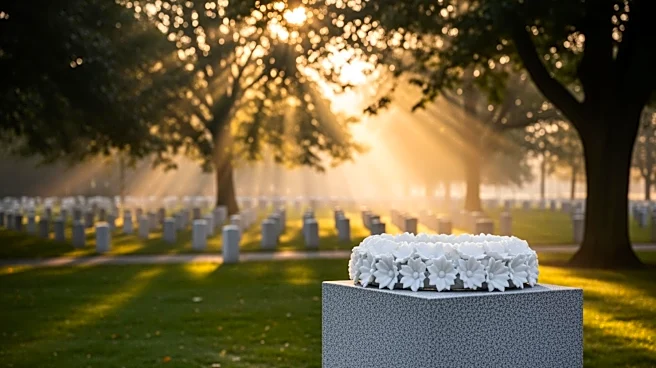
Memorial Day, originally known as Decoration Day, is a federal holiday in the United States dedicated to honoring military personnel who have died in service to the country. The tradition began after the American Civil War, with people placing flowers
on the graves of fallen soldiers. The first national observance was in 1868, and it became a federal holiday in 1971. The day serves as a reminder of the sacrifices made by soldiers and their families, with many veterans returning home with physical and psychological scars. The holiday has evolved into a time for barbecues and sales, but its core purpose remains to honor those who have served and died in military conflicts.
Why It's Important?
Memorial Day holds significant cultural and historical importance in the United States. It serves as a solemn reminder of the cost of war and the sacrifices made by military personnel and their families. The holiday encourages reflection on the human impact of military conflicts, highlighting the loss of life and the enduring scars left on veterans and their loved ones. It also underscores the need for society to remember and honor those who have served, ensuring that their sacrifices are not forgotten amidst the commercial aspects of the holiday. This reflection can foster a deeper understanding of the consequences of war and the importance of peace.
What's Next?
As Memorial Day continues to be observed, there is an ongoing need to balance the holiday's original intent with its modern-day celebrations. Efforts to educate the public about the historical significance of the day and to honor veterans through ceremonies and memorials are likely to continue. Additionally, there may be increased advocacy for veteran support services, addressing the physical and mental health needs of those who have served. The holiday also presents an opportunity for discussions on conflict resolution and the pursuit of peace, encouraging society to consider alternatives to war.
Beyond the Headlines
Memorial Day also raises ethical and cultural questions about how societies remember and honor their military history. The holiday prompts reflection on the narratives surrounding war and the portrayal of veterans in media and public discourse. It challenges individuals to consider the broader implications of military service and the responsibilities of a nation to its veterans. Furthermore, it highlights the need for ongoing support for veterans and their families, addressing issues such as mental health, reintegration into civilian life, and access to healthcare and resources.