






What's Happening?
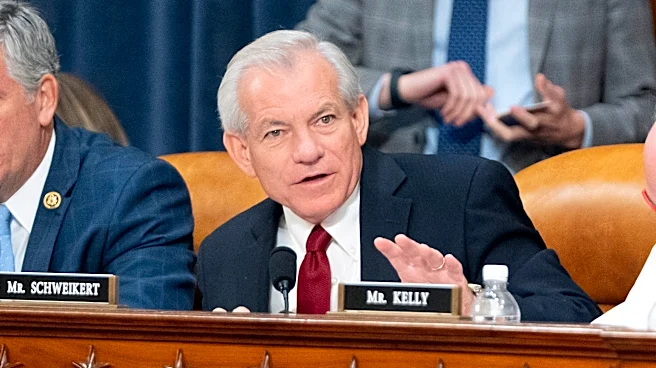
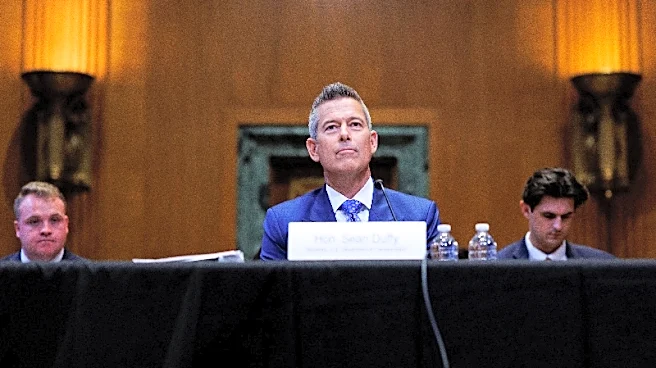
Lawmakers in Washington are considering the Sunshine Protection Act, a bill that would make daylight saving time permanent across most of the United States. This proposal aims to eliminate the biannual clock changes, providing more daylight in the evenings
year-round but resulting in darker mornings during winter months. The bill has gained bipartisan support and is seen as a way to boost economic activity by extending daylight hours for retail, restaurants, and leisure activities. However, it also raises concerns about the impact on early risers, schoolchildren, and public health, as darker mornings could disrupt circadian rhythms and increase health risks.
Why It's Important?
The potential shift to permanent daylight saving time could have significant implications for various sectors. The leisure and retail industries stand to benefit from increased consumer activity during extended daylight hours. However, the change could pose challenges for morning commuters and schoolchildren, who may face safety risks in darker conditions. Public health experts warn that the disruption of natural light exposure could affect sleep patterns and increase the risk of chronic health conditions. The debate highlights the need to balance economic benefits with health and safety considerations.
What's Next?
The Sunshine Protection Act has gained momentum in Congress, with lawmakers advancing the proposal. If passed, the change would take effect at a future date specified in the legislation. However, the bill faces challenges, including regional disagreements and the need for federal approval. Some states have already passed laws in anticipation of the change, but the measure has previously stalled in the House. The outcome of this legislative effort will determine whether Americans will experience a permanent shift in their daily routines.