








What's Happening?
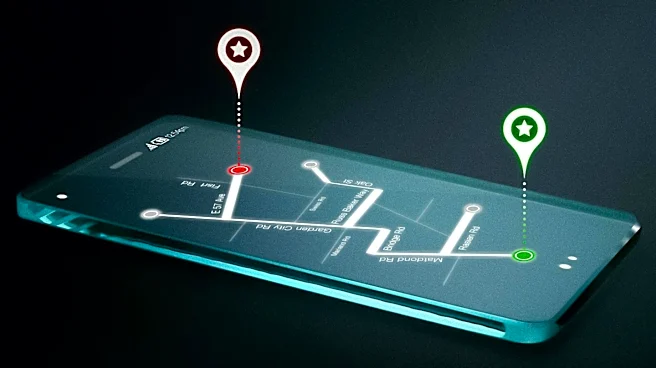
The 'Phone Tracker & GPS Location' app, available on Google Play, provides a suite of GPS utilities, mapping, and navigation assistance. This application allows users to discover nearby places such as cafes, restaurants, hospitals, and shopping centers,
and to explore global landmarks. Key features include satellite map visualization, a digital compass, a GPS speedometer, and tools for looking up phone number information, which provides general regional or network details but does not track live locations. The app emphasizes its design for practical GPS, map, and navigation tools, aiming to simplify travel and location exploration. It explicitly states that it does not offer spying, surveillance, or unauthorized device tracking functionalities, and location accuracy is dependent on device, GPS signal, and network conditions.
Why It's Important?
This app's comprehensive features are important for U.S. consumers and businesses alike. For individuals, it enhances daily navigation, travel planning, and emergency preparedness by making essential location-based information readily accessible. The ability to quickly find nearby services like hospitals or medical stores can be crucial in urgent situations. For businesses, particularly those in retail, hospitality, and healthcare, being discoverable through such apps is vital for attracting local customers. The app's clear stance against unauthorized tracking also addresses growing privacy concerns among users, potentially fostering greater trust in location-based services. Its utility in exploring both local and global destinations supports tourism and local economies by guiding users to various points of interest.
What's Next?
The continuous development and updates for apps like 'Phone Tracker & GPS Location' will likely focus on enhancing user experience, improving location accuracy, and integrating more advanced features. Future iterations might include more personalized recommendations for nearby places, real-time traffic updates, or augmented reality features for navigation. The app's commitment to privacy, by not offering live location tracking of individuals, sets a precedent that other location-based service providers might follow, especially as data privacy regulations evolve. As smartphone technology advances, the app could leverage improved GPS capabilities and sensor integration to offer even more precise and reliable location services, further solidifying its utility for a broad user base.
Beyond the Headlines
The proliferation of sophisticated location-based apps like 'Phone Tracker & GPS Location' reflects a broader societal reliance on digital tools for everyday tasks. This trend highlights the increasing integration of technology into personal mobility and urban exploration. Ethically, the app's explicit disclaimer against surveillance is significant, as it navigates the delicate balance between utility and privacy in the digital age. Culturally, these apps are reshaping how people interact with their physical environment, encouraging exploration and facilitating access to services. The long-term shift could see a greater expectation for seamless, intuitive, and privacy-conscious navigation tools, influencing urban planning, public services, and commercial strategies that depend on understanding and guiding consumer movement.