







What's Happening?
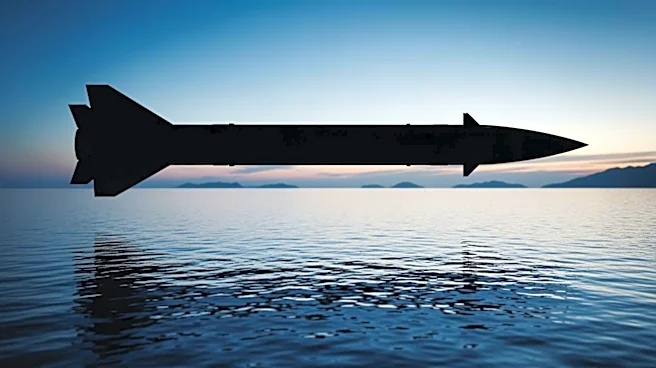
The U.S. military has conducted a test of its Mid-Range Capability missile system, known as the 'Typhon,' on Philippine soil, marking the first instance of such a test in the Southeast Asian country. This test is part of the ongoing Balikatan military exercises,
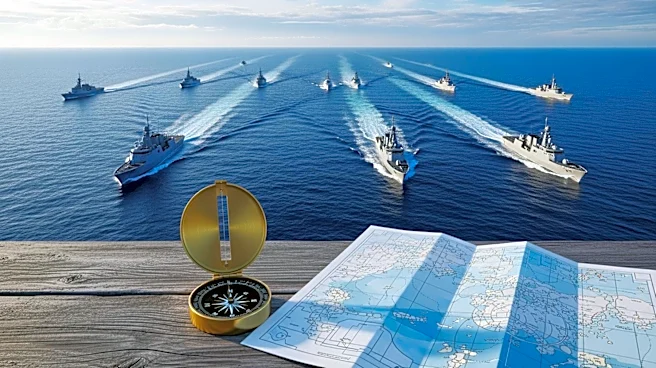
which involve the U.S. and the Philippines, and are being closely monitored by China. The missile was launched from Tacloban Airport and successfully hit a target 390 miles away at Fort Magsaysay. The Typhon system is capable of firing Tomahawk missiles, which have a range of over 1,000 miles, potentially reaching much of China's eastern seaboard. The exercises, which include participation from 17,000 troops and seven countries, are the largest yet and have drawn criticism from China, which views them as provocative.
Why It's Important?
The missile test underscores the strengthening of defense ties between the U.S. and the Philippines amid escalating tensions with China. The deployment of the Typhon system in the Philippines is seen as a strategic move to counter China's influence in the region, particularly concerning the South China Sea and Taiwan. The exercises highlight the U.S.'s commitment to its allies in the region and its readiness to respond to potential threats. China's response, including military patrols around contested areas, indicates the potential for increased regional tensions. The situation could impact diplomatic relations and security dynamics in the Asia-Pacific region, affecting trade routes and regional stability.
What's Next?
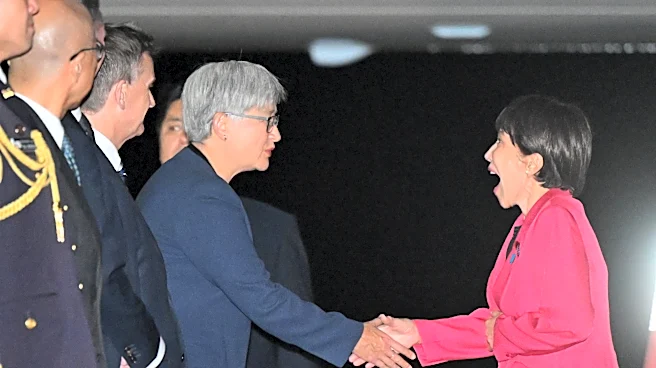
The Balikatan exercises are scheduled to continue until May 8, with further military activities expected. The U.S. and the Philippines may consider additional defense collaborations, potentially involving other regional allies like Japan and Australia. China's reaction to these developments will be closely watched, as it may influence future diplomatic and military strategies in the region. The ongoing situation could lead to further military build-ups and strategic posturing by both the U.S. and China, with implications for regional security and international relations.