









What's Happening?
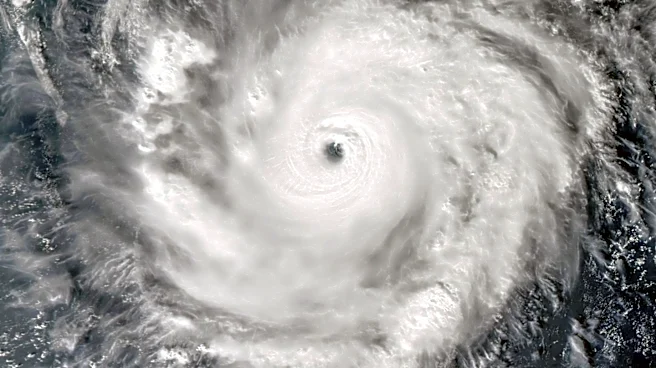
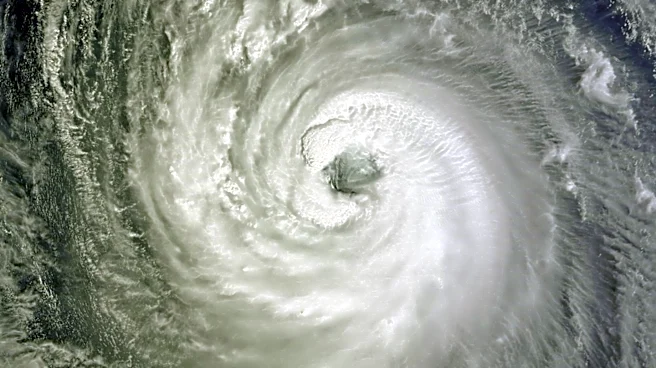
Typhoon Bavi, a large and powerful storm, is approaching the southwestern islands of Japan and is expected to bring violent winds, torrential rain, and potential flooding. The typhoon, with maximum sustained winds of 162 kilometers per hour, is anticipated
to pass close to Japan's Sakishima Islands, part of Okinawa Prefecture, early Saturday morning. In preparation, local residents are securing their homes and businesses, while airlines have canceled numerous flights, affecting thousands of passengers. In Taiwan, the government has evacuated over 2,000 people and placed nearly 29,000 military personnel on standby as the typhoon is expected to bring heavy rainfall, although it is not forecasted to make landfall on the island.
Why It's Important?
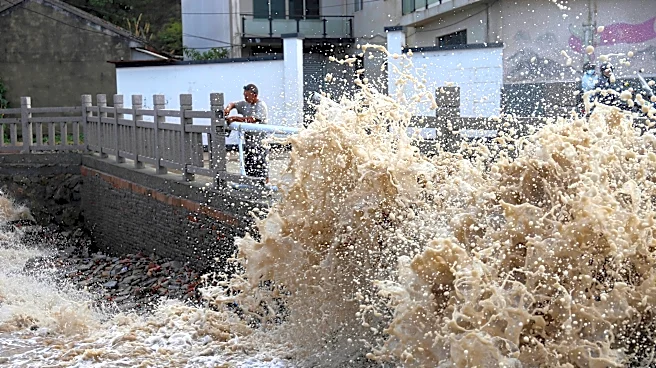
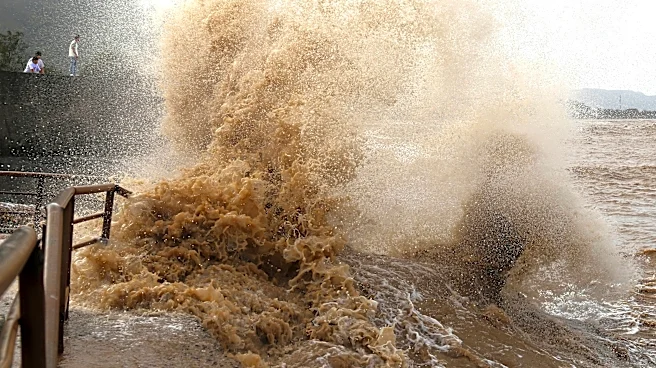
The approach of Typhoon Bavi poses significant risks to the affected regions, including potential damage to infrastructure, disruption of travel, and threats to public safety. The storm's impact on Taiwan and Japan could lead to economic disruptions, particularly in sectors reliant on transportation and logistics. Additionally, the typhoon's trajectory towards southeastern China raises concerns about further damage in areas already vulnerable to severe weather. The preparedness and response efforts by local governments and communities will be crucial in mitigating the storm's impact.
What's Next?
As Typhoon Bavi continues its path, authorities in Japan, Taiwan, and China are closely monitoring the situation and preparing for potential landfall. In Japan, residents are advised to stay informed and take necessary precautions, while in Taiwan, the government is coordinating relief efforts and ensuring the safety of evacuated individuals. The storm is expected to make landfall in southeastern China late Saturday or early Sunday, prompting further preparations in the region. The response from local governments and the effectiveness of emergency measures will be critical in minimizing the storm's impact.