
What's Happening?
A recent analysis published in BMJ Nutrition Prevention & Health suggests that higher consumption of soy foods and legumes may significantly lower the risk of high blood pressure. The study reviewed data
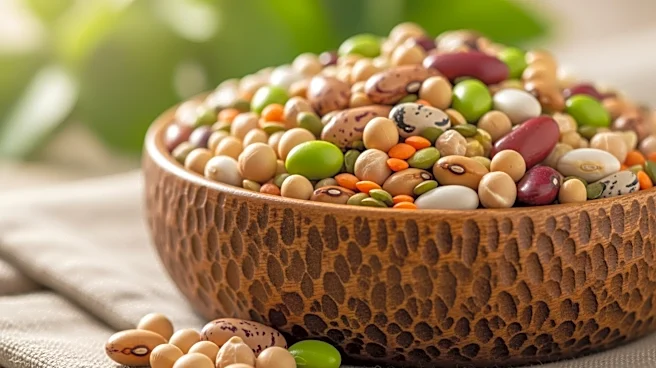
from 12 prospective observational studies, involving participants from the United States, Asia, and Europe. Researchers found that consuming about 170 grams of legumes daily, such as peas, lentils, chickpeas, and beans, along with 60 to 80 grams of soy foods like tofu and soy milk, was associated with a reduced risk of high blood pressure. The study highlights the potential of these plant-based foods in promoting cardiovascular health.
Why It's Important?
The findings underscore the potential public health benefits of incorporating more plant-based foods into diets, particularly in light of the global rise in hypertension. By identifying specific intake levels that offer the most benefit, the study provides practical dietary targets that could be integrated into public health guidelines. This research supports the growing body of evidence advocating for plant-based diets as a strategy to combat cardiovascular diseases, which remain a leading cause of mortality worldwide.
What's Next?
Further large-scale studies are needed to confirm these findings and explore the biological mechanisms behind the blood pressure-lowering effects of soy and legumes. Researchers suggest that these foods' high content of potassium, magnesium, and dietary fiber may play a role. The study's authors call for increased public awareness and dietary recommendations to encourage the consumption of legumes and soy foods as part of a heart-healthy diet.