





What's Happening?
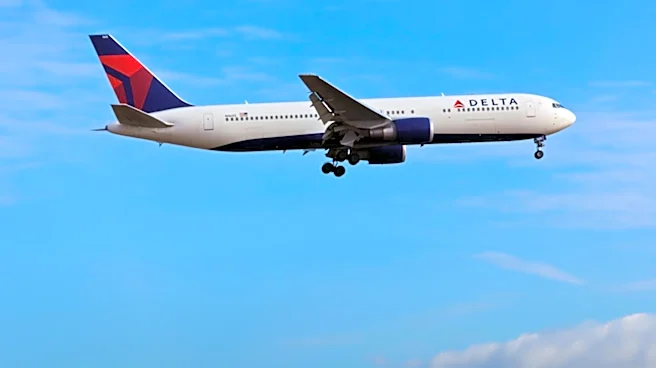
A Delta Air Lines flight, DL1208, bound for Orlando with 185 passengers, was forced to return to Minneapolis-St. Paul International Airport (MSP) shortly after takeoff due to a medical emergency involving the first officer. The pilot reported experiencing
chest pain and numbness, along with an elevated heart rate, approximately four minutes into the flight. Air Traffic Control (ATC) initially had some misunderstanding regarding the crew's report of potential incapacitation but subsequently cleared the Boeing 757 for an immediate return and overweight landing. The aircraft landed safely, and passengers remained onboard while a new crew was arranged. The flight eventually departed for Orlando, arriving over four hours behind schedule. This incident marks the second pilot medical diversion for Delta in a six-day period, though no direct link between these events and other recent incidents has been established.
Why It's Important?
Pilot medical emergencies, while rare, highlight critical safety protocols within the aviation industry and can significantly impact airline operations and passenger travel. The need for an overweight landing, due to the inability to dump fuel, underscores the complexities and potential risks involved in such diversions. Overweight landings often necessitate thorough inspections of the aircraft before it can be cleared for subsequent flights, leading to extended delays. For passengers, these incidents mean not only significant schedule disruptions but also potential missed connections and additional travel expenses. From an airline perspective, such events incur operational costs, including crew changes, potential aircraft inspections, and passenger compensation for delays, affecting their on-time performance metrics and customer satisfaction. The recurrence of pilot medical diversions, even without a proven link, could prompt closer scrutiny of pilot health and wellness programs within the industry.
What's Next?
Following the incident, the affected first officer will likely undergo a comprehensive medical evaluation to determine the cause of the symptoms and assess fitness for duty. Delta Air Lines will conduct an internal review of the event, including communication with Air Traffic Control and adherence to emergency procedures. The aircraft will undergo necessary inspections following the overweight landing to ensure its airworthiness before returning to service. The Federal Aviation Administration (FAA) may also review the incident as part of its oversight responsibilities, potentially leading to recommendations or adjustments in pilot medical screening or in-flight emergency protocols. Passengers affected by the delay may be eligible for compensation or rebooking options, depending on Delta's policies and Department of Transportation regulations. The broader aviation community will continue to monitor pilot health and safety, especially given the demanding nature of the profession.
Beyond the Headlines
This incident subtly brings to light the immense pressure and responsibility placed on airline pilots, whose health directly impacts the safety of hundreds of lives. The quick decision-making required in an in-flight medical emergency, such as opting for an overweight landing, demonstrates the rigorous training and protocols pilots follow. Beyond the immediate operational impact, such events can raise public awareness and concern about pilot well-being and the robustness of medical screening processes for flight crews. It also touches upon the broader discussion of mental and physical health in high-stress professions. The airline industry continuously strives to balance operational efficiency with paramount safety standards, and each incident, regardless of its rarity, contributes to refining these critical balances and ensuring public trust in air travel.