






What's Happening?
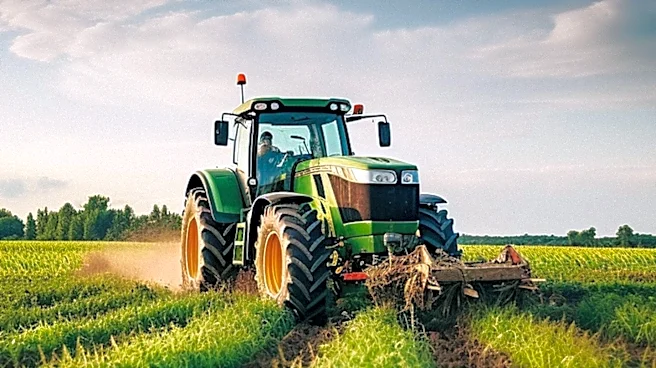
Thousands of U.S. farmers are at risk of losing access to crucial conservation funding due to proposed cuts in the federal farm bill currently under debate in Congress. Republican proposals in both the House and Senate aim to reduce funding for the U.S. Department
of Agriculture's (USDA) Environmental Quality Incentives Program (EQIP) and Conservation Stewardship Program (CSP). These programs are vital for farmers adopting regenerative agriculture practices, which enhance soil health, water quality, and overall farm resilience. Analysts estimate that over 56,000 eligible farmer applications could go unfunded if these reductions are enacted. States such as Arkansas, Georgia, Kansas, Colorado, Alabama, and West Virginia are anticipated to be among the most affected by these potential funding cuts. EQIP and CSP are among the largest federal conservation initiatives, providing financial and technical assistance for practices like cover cropping, conservation planning, and riparian buffers, all of which help mitigate erosion, improve water management, and support long-term agricultural productivity.
Why It's Important?
The potential funding shortfall for U.S. conservation programs carries significant implications for the agricultural sector and environmental sustainability. Regenerative agriculture practices, supported by EQIP and CSP, have been shown to improve farm profitability and strengthen resilience against extreme weather events. Studies cited by conservation advocates indicate higher profitability and positive long-term returns on investment for farms implementing these practices. A reduction in funding could hinder the widespread adoption of these beneficial methods, potentially leading to increased environmental degradation, such as soil erosion and water pollution. Furthermore, it could undermine the economic stability of farmers who rely on these programs to invest in sustainable practices, especially those in states heavily impacted by the cuts. The Inflation Reduction Act previously boosted participation and reduced application backlogs, demonstrating the demand and effectiveness of such funding. Without adequate support, the progress made in promoting sustainable farming could be reversed, affecting both individual farmers and the broader U.S. agricultural landscape.
What's Next?
As Congress continues its discussions on the farm bill, the future of these widely utilized conservation programs remains a critical issue for farmers nationwide. Lawmakers have already proposed amendments aimed at restoring funding to EQIP and CSP. The outcome of these legislative debates will determine whether more farmers and ranchers can access the necessary assistance to invest in practices that benefit both agriculture and the environment. Conservation groups are actively advocating for the maintenance or restoration of funding, emphasizing its role in improving environmental performance and supporting farmers' long-term economic stability. The ongoing negotiations will likely involve balancing budgetary considerations with the recognized benefits of agricultural conservation, with potential reactions from farming communities, environmental organizations, and agricultural industry stakeholders as the legislative process unfolds.
Beyond the Headlines
The debate over conservation funding extends beyond immediate financial impacts, touching upon the long-term vision for U.S. agriculture and its role in addressing climate change. The emphasis on regenerative agriculture reflects a growing understanding of the interconnectedness between farming practices, environmental health, and economic viability. Cuts to these programs could signal a shift away from federal support for sustainable farming, potentially increasing the burden on individual farmers to absorb the costs of environmental stewardship. This could also exacerbate existing disparities, as smaller or less financially secure farms might struggle to implement regenerative practices without external aid. The broader implication is a potential slowdown in the transition towards a more resilient and environmentally friendly agricultural system, impacting food security, biodiversity, and the overall health of rural communities in the U.S.