



What's Happening?
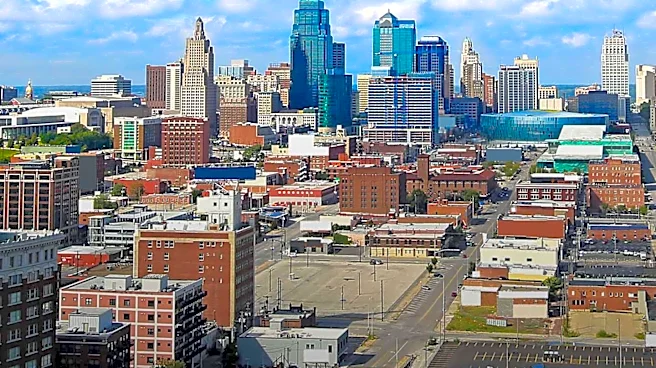
Congressman Emanuel Cleaver has secured three million dollars in federal funding for a new connector bridge over Brush Creek in Kansas City. This project aims to link the neighborhood south of MLK Park back to the park itself, fulfilling a long-held vision
for community connectivity. The initiative is part of broader efforts by local placemakers, including Chris Goode, who have been instrumental in reimagining various corridors and corners across Kansas City. Goode, known for his work with Ruby Jean’s Juicery, has also led efforts to rename JC Nichols Parkway and honor Dr. King in Kansas City, alongside pushing for a crosswalk connecting South Moreland Park to the Nelson Atkins Museum. The federally funded bridge project signifies a tangible step towards enhancing urban infrastructure and community access in the area.
Why It's Important?
This federal funding is important because it directly addresses infrastructure needs in Kansas City, promising improved connectivity and accessibility for residents. The bridge project will physically link a neighborhood to MLK Park, potentially fostering greater community engagement and access to green spaces. For local businesses and residents, enhanced infrastructure can lead to economic benefits through increased foot traffic and easier transportation. Furthermore, the involvement of figures like Chris Goode highlights the impact of community-driven initiatives supported by legislative action. This project underscores the role of federal funding in local urban development and its potential to transform community landscapes, benefiting various stakeholders by improving quality of life and fostering a more integrated urban environment.
What's Next?
The next steps involve the construction and completion of the connector bridge over Brush Creek, which will physically stitch the neighborhood south of MLK Park back to the park. This project is part of an ongoing series of urban development and placemaking efforts in Kansas City. Community leaders and residents will likely monitor the progress of the bridge construction and its subsequent impact on local connectivity and park accessibility. The success of this project could also pave the way for future federal investments in similar community-enhancing infrastructure initiatives across the city, potentially inspiring further collaborations between local placemakers and legislative representatives to address urban development needs.
Beyond the Headlines
Beyond the immediate infrastructure benefits, this project carries deeper implications for urban equity and community empowerment. The bridge's role in connecting a neighborhood to MLK Park can symbolize a broader effort to overcome historical divisions and ensure equitable access to public resources. The involvement of community leaders like Chris Goode, who has also championed renaming efforts and cultural initiatives, suggests a holistic approach to urban development that goes beyond mere construction. This initiative reflects a growing recognition of the importance of community-led visions in shaping urban spaces and the critical role of legislative support in bringing these visions to fruition, fostering a sense of ownership and belonging among residents.