






What's Happening?
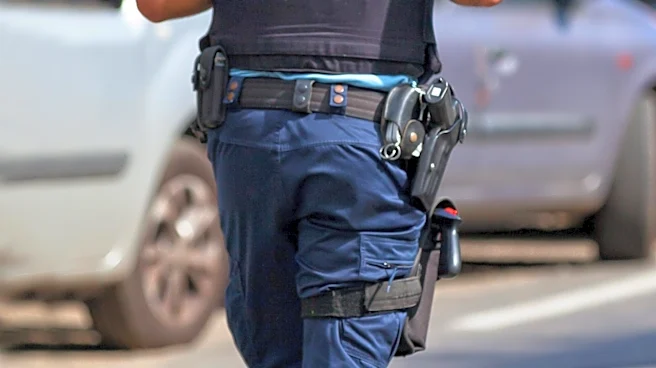
The Illinois State Police (ISP) Troop 9, under the command of Captain Bruce Waggoner, conducted Occupant Restraint Enforcement Patrols (OREP) in Effingham, Fayette, Marion, Wabash, Wayne, and White counties during August and September. These patrols were
specifically designed to enhance enforcement of occupant protection laws, focusing on individuals who fail to use safety belts and child restraint devices. The enforcement efforts resulted in 82 safety belt citations, 2 child restraint citations, a total of 113 citations, and 26 written warnings. The ISP emphasized that these patrols reinforce the message that buckling up saves lives and targets those who disregard the law. This initiative was funded through the Illinois Department of Transportation.
Why It's Important?
These enforcement patrols are a critical component of public safety efforts aimed at reducing injuries and fatalities on Illinois roads. The high number of citations issued indicates a persistent issue with non-compliance regarding occupant restraint laws, highlighting the necessity of such targeted operations. By focusing on seatbelt and child restraint violations, the ISP directly addresses a major factor in traffic accident severity. The funding from the Illinois Department of Transportation underscores the state's commitment to road safety and the belief that enforcement, alongside education, is effective in changing driver and passenger behavior. The success of these patrols can lead to a decrease in emergency room visits and long-term care costs associated with traffic accidents, benefiting both individuals and the healthcare system.
What's Next?
The Illinois State Police will likely continue to conduct similar occupant restraint enforcement patrols in the future, especially given the ongoing need to improve compliance with safety belt and child restraint laws. Public awareness campaigns, such as the 'Click It or Ticket' initiative, will probably accompany these enforcement efforts to educate the public on the importance of buckling up. The data collected from these patrols will inform future strategies and resource allocation for traffic safety programs. Lawmakers and transportation officials may also review the effectiveness of current penalties and consider adjustments if non-compliance rates remain high. The continued focus on occupant protection is expected to contribute to a sustained effort to enhance road safety across Illinois.
Beyond the Headlines
Beyond the immediate goal of reducing traffic fatalities, these enforcement patrols reflect a broader public health strategy. Seatbelt laws are a cornerstone of preventative medicine on the roads, aiming to mitigate the human and economic costs of accidents. The emphasis on child restraint citations highlights the state's commitment to protecting its most vulnerable citizens. The funding mechanism, through the Illinois Department of Transportation, illustrates the interagency cooperation required to implement comprehensive safety programs. This initiative also touches upon individual responsibility versus collective safety, as the decision to 'buckle up' not only protects the individual but also reduces the burden on emergency services and healthcare resources, ultimately benefiting society as a whole. The ongoing need for such patrols suggests a cultural challenge in achieving universal compliance with basic safety measures.