





What's Happening?
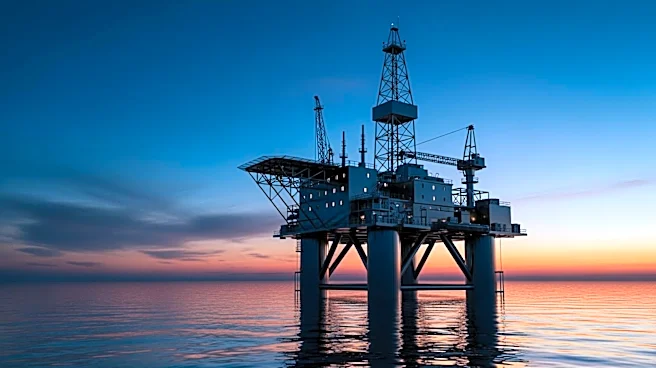
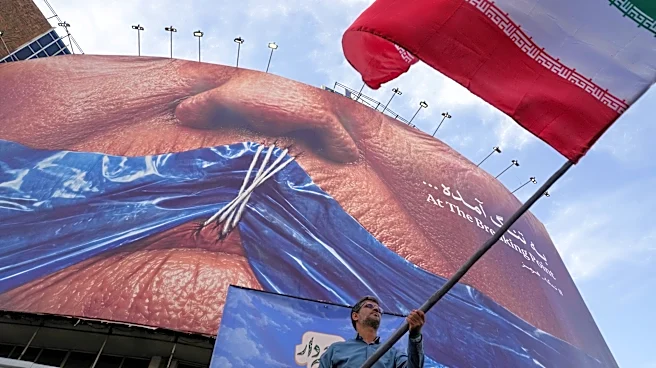
The ongoing conflict between the United States and Iran has significantly disrupted global supply chains, particularly affecting farmers in Asia. The standoff, which has led to a virtual halt in shipping through the Persian Gulf, has caused a surge in prices
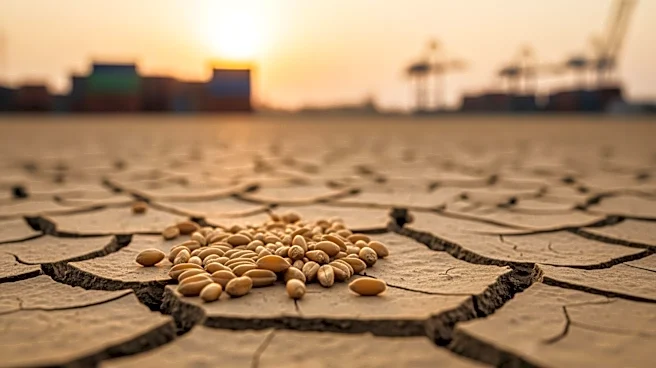
for essential farming inputs such as fuel and fertilizer. This has resulted in increased costs for farmers in countries like Thailand, the Philippines, and Bangladesh, who are now facing difficult planting seasons. The disruption is largely due to the destruction of gas infrastructure in the Gulf and the blockage of the Strait of Hormuz, which has prevented crucial supplies from reaching their destinations. As a result, many farmers are choosing to skip or reduce planting, which will likely lead to lower crop yields in the coming months.
Why It's Important?
The disruption in the supply chain has broader implications for global food security and economic stability. With a significant portion of the world's urea supply affected, countries are experiencing increased fertilizer prices, which could lead to higher food prices and inflation. This situation is particularly dire for Asian farmers, who are already facing financial challenges. The conflict has also highlighted the vulnerability of global supply chains to geopolitical tensions, emphasizing the need for more resilient and self-reliant agricultural practices. The economic impact could be severe, potentially mirroring the downturn experienced during the COVID-19 pandemic.
What's Next?
If the conflict continues, the repercussions could extend beyond Asia, affecting agricultural production in other major farming regions like India and Brazil. These countries are expected to increase their demand for urea in the coming months, and if supplies remain disrupted, it could lead to significant yield losses. Governments are attempting to mitigate the impact by securing alternative supplies and encouraging more sustainable farming practices. However, the immediate future remains uncertain, with potential for further economic and social challenges if the situation does not stabilize.
Beyond the Headlines
The crisis underscores the need for a shift towards more sustainable and self-sufficient agricultural practices. Farmers are being encouraged to adopt renewable energy sources and organic fertilizers to reduce dependency on volatile international supply chains. However, such transitions require time and investment, which are currently in short supply. The situation also raises ethical questions about the responsibility of global powers in ensuring food security and the impact of geopolitical conflicts on vulnerable populations.