




What's Happening?
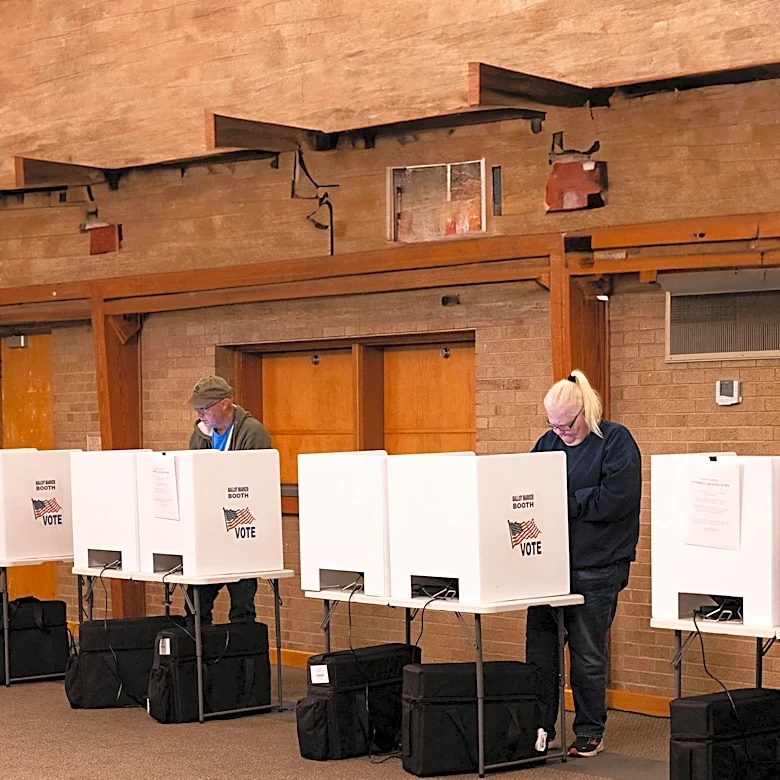
Civic engagement is defined as the individual and collective actions people undertake to identify and address issues of public concern. This broad definition encompasses various activities, including voting, volunteering, attending council meetings, responding
to consultations, serving on advisory panels, and organizing neighborhood groups. Essentially, any activity through which individuals influence decisions and conditions within their community falls under civic engagement. The term serves a dual purpose: describing individual actions, such as turning up, speaking, or voting, and outlining institutional frameworks that facilitate public participation. When an institution aims to 'improve civic engagement,' it typically refers to widening participation routes and ensuring that public input meaningfully contributes to decision-making processes. This distinction is crucial for developing effective strategies, plans, and reports related to community involvement.
Why It's Important?
The importance of civic engagement lies in its direct impact on the quality and durability of public decisions. When decisions are made with genuine public participation, they tend to be more robust, face fewer objections, withstand scrutiny and legal challenges more effectively, and maintain social license even as circumstances change. This process ensures that policies and initiatives are more reflective of community needs and values, fostering greater trust between institutions and the public. Conversely, a lack of civic engagement can lead to civic disengagement or apathy, where individuals withdraw from public life, often because existing participation routes are ineffective or inaccessible. Therefore, strengthening civic engagement is fundamental to a healthy, responsive, and accountable democratic society, ensuring that the voices of diverse community members are heard and considered in governance.
What's Next?
Moving forward, the focus for institutions and communities will be on enhancing the effectiveness of civic engagement. This involves not only providing opportunities for participation but also ensuring that these opportunities are accessible, representative, and influential. Efforts will likely concentrate on improving how engagement is measured, moving beyond simple attendance counts to assess the depth of participation, its representativeness, and its actual influence on decisions. This shift requires better record-keeping and systems that can track how public input leads to concrete changes and whether commitments made to the community are fulfilled. The ongoing challenge is to bridge the gap between individual action and institutional responsiveness, ensuring that civic engagement is a dynamic and impactful process rather than a mere formality.
Beyond the Headlines
Beyond its practical applications, civic engagement embodies the core principles of a participatory democracy. It highlights the idea that governance is not solely the domain of elected officials but a shared responsibility between citizens and their leaders. The various forms of civic engagement—electoral, voluntary, consultative, deliberative, and activist—reflect a spectrum of citizen involvement, each playing a vital role in shaping public life. The distinction between civic engagement and related terms like 'community engagement' or 'public participation' underscores the nuanced nature of citizen involvement, emphasizing who initiates the action and the intended outcome. Ultimately, fostering robust civic engagement is about cultivating an informed, active, and empowered citizenry capable of holding leaders accountable and contributing to the collective well-being of their communities.