







What's Happening?
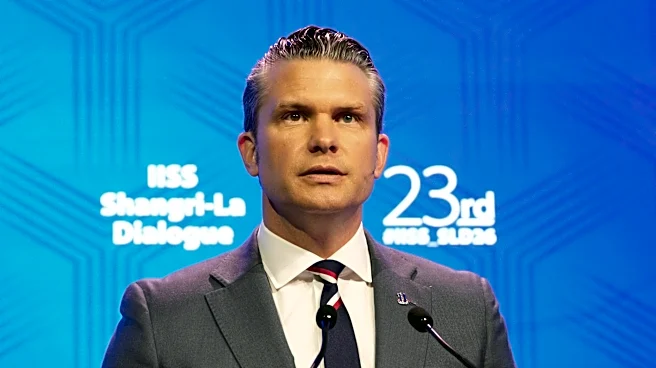
The Department of War has officially removed 180 faiths from its list of recognized religions, reducing the number from over 200 to 31. This change, announced by Secretary Pete Hegseth, aims to streamline the collection of religious preferences and enhance
the delivery of religious support by the Chaplaincy. The new list includes major religions such as Buddhism, Islam, and various Christian denominations. The decision also involves chaplains replacing their rank insignia with religious insignia, emphasizing their primary role as spiritual leaders.
Why It's Important?
The reduction in recognized faiths is significant as it affects how religious support is provided to military personnel. By narrowing the list, the Pentagon aims to make religious services more efficient, but it also raises concerns about the exclusion of less common faiths. This move could impact the religious rights of service members who identify with the removed faiths, potentially leading to dissatisfaction and calls for policy revisions. The decision reflects broader discussions about religious representation and the balance between efficiency and inclusivity in military operations.
What's Next?
The Pentagon's decision may lead to further scrutiny and potential legal challenges from religious and civil rights groups advocating for broader recognition of diverse faiths. The military may need to address concerns from service members affected by the change and consider adjustments to ensure that all personnel receive adequate spiritual support. Ongoing dialogue between the Pentagon and religious communities will be crucial in navigating the implications of this policy shift.
Beyond the Headlines
This development highlights the ongoing tension between efficiency and inclusivity in military policies. It raises questions about the criteria used to determine recognized faiths and the potential for bias in these decisions. The situation also reflects broader societal debates about religious identity and the role of government in defining and supporting diverse religious practices.