






What's Happening?
Congressman Brendan F. Boyle (PA-02) announced that the Southeastern Pennsylvania Transportation Authority (SEPTA) will receive $13,263,248 in federal funding. This allocation, provided through the Federal Transit Administration’s Fiscal Year 2026 Rail
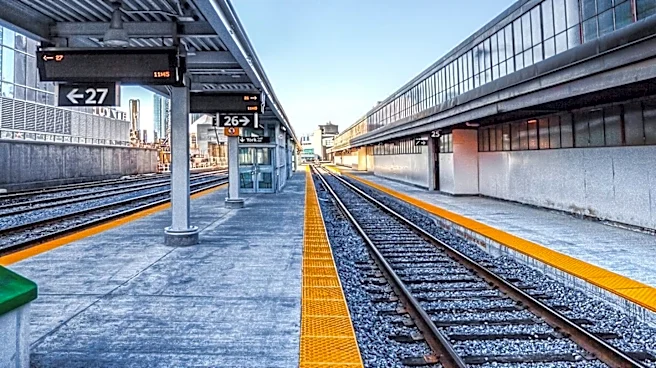
Vehicle Replacement Grant Program, is designated to support the replacement of SEPTA’s aging Silverliner IV Regional Rail cars. The funding was made possible by the Bipartisan Infrastructure Law, which Congressman Boyle championed. SEPTA plans to replace the current Silverliner IV fleet, which consists of 230 cars built between 1974 and 1976, with new Silverliner VI cars. The modernization effort aims to improve the reliability, energy efficiency, and accessibility of the Regional Rail system, while also reducing maintenance costs and enhancing the overall passenger experience for thousands of commuters across Philadelphia and Southeastern Pennsylvania. The Silverliner IV cars have been in service for half a century and have become increasingly expensive and difficult to maintain due to their age.
Why It's Important?
This federal investment is crucial for the infrastructure and public transportation network of Southeastern Pennsylvania. The modernization of SEPTA's Regional Rail fleet will directly impact the daily commutes of thousands of residents, offering safer, more reliable, and more accessible transportation options. By replacing the half-century-old Silverliner IV cars, SEPTA anticipates significant improvements in operational efficiency and a reduction in maintenance expenditures, which can lead to better service and potentially more stable fares for riders. Furthermore, the enhanced energy efficiency of the new Silverliner VI cars aligns with broader national goals for sustainable infrastructure and reduced environmental impact. This funding also underscores the tangible benefits of the Bipartisan Infrastructure Law, demonstrating how federal legislation can translate into direct improvements for local communities and their essential services. The investment helps ensure that a vital component of the region's public transit remains in a state of good repair, supporting economic activity and connectivity.
What's Next?
With the federal funding secured, SEPTA will proceed with its long-term modernization plan to replace the Silverliner IV fleet with new Silverliner VI cars. The next steps will involve the procurement and deployment of these next-generation rail vehicles. This transition is expected to be a phased process, as the 230-car fleet is gradually replaced. Commuters can anticipate a gradual improvement in service quality, including enhanced reliability and a more comfortable travel experience, as the new cars are integrated into the system. The successful implementation of this project could also serve as a model for other transit agencies across the U.S. facing similar challenges with aging infrastructure. Continued oversight from federal and local officials, including Congressman Boyle, will likely focus on ensuring the efficient and effective use of these funds to achieve the stated goals of improved service and sustainability for Regional Rail passengers.
Beyond the Headlines
This investment in SEPTA's Regional Rail system extends beyond immediate operational improvements, touching upon broader societal and economic implications. The modernization of public transit infrastructure is a critical component of urban development, fostering economic growth by facilitating easier access to employment centers and reducing traffic congestion. Improved public transportation can also lead to increased property values along transit corridors and stimulate local businesses. From an environmental perspective, more energy-efficient rail cars contribute to a reduction in carbon emissions, aligning with national climate objectives. Moreover, enhanced accessibility features in the new Silverliner VI cars will ensure that the transit system is more inclusive, serving a wider range of passengers, including those with disabilities. This federal commitment to public transit infrastructure highlights a strategic effort to bolster regional economies, promote environmental sustainability, and enhance social equity through improved mobility.