



What's Happening?
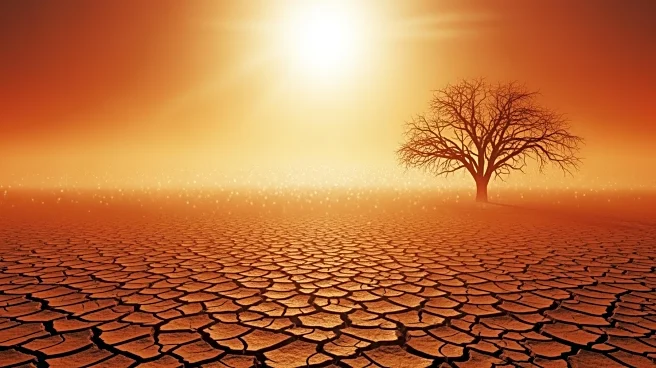
A record-breaking heat dome has enveloped the Western United States, causing temperatures to soar well above seasonal norms. This unusual weather pattern, driven by a strong atmospheric ridge, is affecting states from California to Montana. In Colorado
Springs, temperatures are expected to reach 90 degrees, far exceeding the typical March highs. The heat wave is attributed to climate change, with models indicating that such events are becoming more frequent. The rapid snowmelt and drying conditions are raising concerns about water shortages and increased wildfire risks.
Why It's Important?
The heat wave highlights the broader implications of climate change on regional weather patterns and resource management. The accelerated snowmelt threatens water supplies critical for agriculture and urban use in the West. Additionally, the dry conditions heighten the risk of wildfires, posing a threat to communities and ecosystems. This situation underscores the need for comprehensive climate adaptation strategies to mitigate the impacts of extreme weather events.
What's Next?
As the heat wave continues, authorities are monitoring water levels and fire risks closely. The potential for drought declarations and water use restrictions looms, with state and local governments preparing for possible emergency measures. The situation may prompt renewed calls for investment in climate resilience infrastructure and policies to address the challenges posed by a warming climate.