



What's Happening?
Cryoablation is an innovative, minimally invasive, and FDA-approved medical procedure designed to treat chronic rhinitis. This treatment utilizes cryotherapy, which involves the controlled cooling of specific nerves located within the nasal passages.
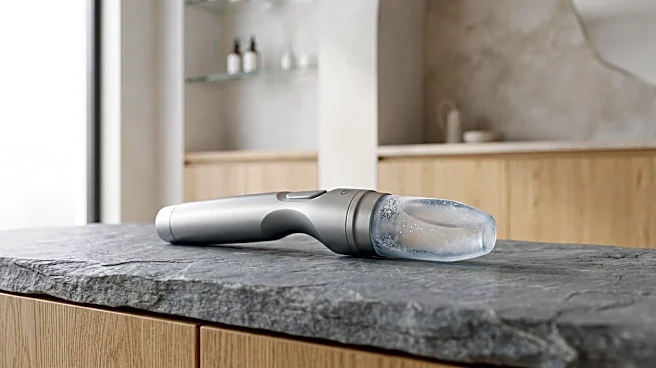
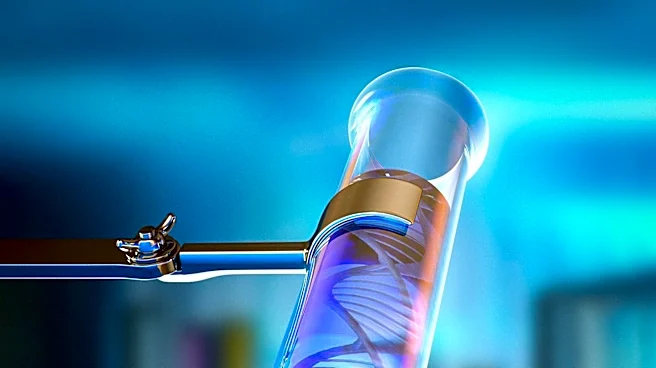
The primary objective is to disrupt the overactive signals sent by these nerves, which are responsible for triggering excessive mucus production and inflammation associated with chronic rhinitis. During the procedure, a specialized applicator delivers precise cooling to the targeted nerves in the nasal cavity. This applicator is gently inserted, and the cooling process, which can reach temperatures as low as minus 60 degrees Celsius, is performed for a short duration. Local anesthesia is typically applied to ensure patient comfort. Freezing these nerves effectively impairs their ability to signal mucus-producing glands, thereby reducing symptoms such as runny nose and sneezing. The procedure has shown positive results for both allergic and non-allergic patients.
Why It's Important?
Chronic rhinitis significantly impacts the quality of life for millions of Americans, leading to persistent nasal congestion, runny nose, and sneezing. Traditional treatments often rely on medication, which may provide temporary relief but can come with side effects or require long-term use. Cryoablation offers a more targeted and potentially long-lasting solution by addressing the root cause of the overactive nerve signals. This minimally invasive approach, performed in an office setting without incisions or general anesthesia, means a quicker recovery period for patients. The potential for reduced dependency on daily medications can lead to improved patient comfort, better sleep quality, and enhanced ability to engage in daily activities without constant discomfort. This advancement in ENT procedures represents a significant step forward in managing a common and often debilitating condition, offering a new avenue for relief where other treatments may have fallen short.
What's Next?
Patients considering cryoablation for chronic rhinitis will undergo a comprehensive evaluation by a healthcare professional to determine if the procedure is suitable for their specific symptoms and medical history. Following the procedure, patients can expect a relatively quick recovery due to its minimally invasive nature. Many patients experience a significant reduction in nasal congestion that can last for months or even years, though individual results may vary. Continued monitoring by an ENT specialist will be important to assess the long-term efficacy and to address any recurrence of symptoms. Further research and clinical studies may continue to refine the cryoablation technique, potentially expanding its application to other related conditions or improving its long-term success rates. The availability of such targeted treatments may also influence healthcare policies regarding insurance coverage and accessibility for patients suffering from chronic rhinitis.
Beyond the Headlines
The success of cryoablation in treating chronic rhinitis highlights a broader trend in medical innovation towards highly localized and precise interventions. This approach minimizes systemic side effects often associated with oral medications and offers a more direct solution to physiological dysfunctions. The FDA approval of this procedure underscores the rigorous evaluation required for new medical technologies, ensuring safety and efficacy for public use. Furthermore, the ability to treat both allergic and non-allergic rhinitis suggests a versatile application that could benefit a wider patient demographic, potentially reducing the burden on healthcare systems from chronic condition management. This technological advancement also raises questions about patient access to specialized treatments and the ongoing need for patient education to ensure informed decision-making regarding their healthcare options. The shift towards office-based, minimally invasive procedures also reflects a desire for more convenient and less disruptive healthcare experiences.