








What's Happening?
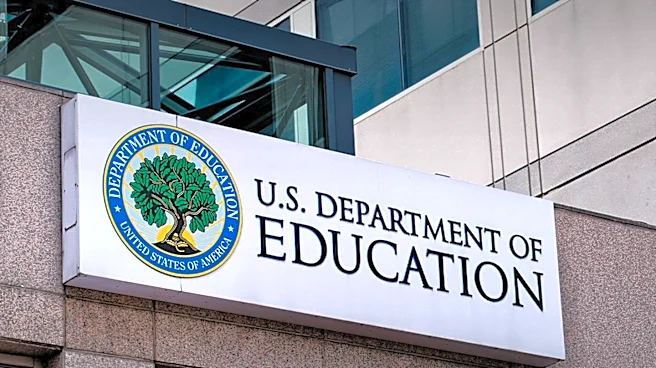
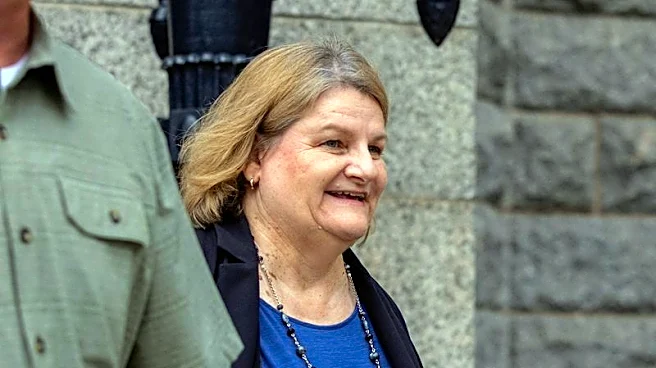
A federal judge has blocked the Trump administration's attempt to narrow the eligibility criteria for the Public Service Loan Forgiveness (PSLF) program. This decision was made by U.S. District Judge Myong Joun, who ruled that the Education Department's
final rule, which was set to take effect on July 1, was unlawful. The rule aimed to redefine what constitutes public service, potentially excluding certain employers from the program if their work did not align with the administration's policy views, such as providing gender-affirming care. The judge stated that the administration could not use the PSLF program to enforce policy preferences that Congress had not legislated. This ruling ensures that public service employees, including teachers, social workers, and government employees, can continue to benefit from the program without fear of exclusion based on the administration's policy goals.
Why It's Important?
The ruling is significant as it maintains the integrity of the PSLF program, which is crucial for many public service workers who rely on it for student loan forgiveness after making 10 years of qualifying payments. The decision prevents the Trump administration from imposing its policy preferences on the program, which could have limited access for many workers in public service roles. This outcome is a victory for advocacy groups like Protect Borrowers and Democracy Forward, who argued that the rule change would unfairly penalize workers for their service. The decision underscores the importance of maintaining legislative intent in federal programs and prevents the executive branch from unilaterally altering eligibility criteria without congressional approval.
What's Next?
With the judge's ruling, the current eligibility criteria for the PSLF program remain in place, allowing public service workers to continue benefiting from the program as originally intended. The Education Department has not yet responded to the ruling, and it remains to be seen whether the administration will appeal the decision. Advocacy groups and public service workers will likely continue to monitor the situation closely to ensure that the program remains accessible to those it was designed to help. The ruling may also prompt further discussions on how federal programs can be protected from political influence and ensure that they serve their intended purpose.