



What's Happening?
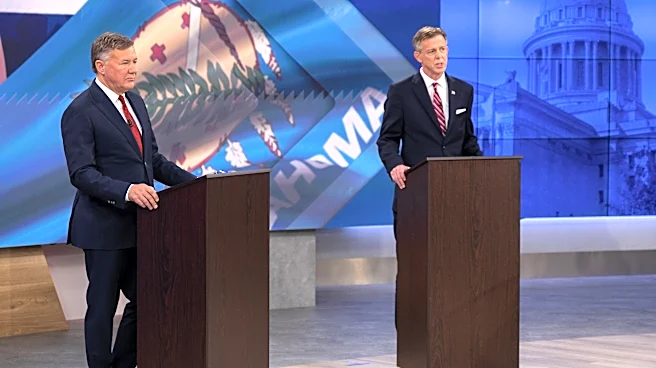
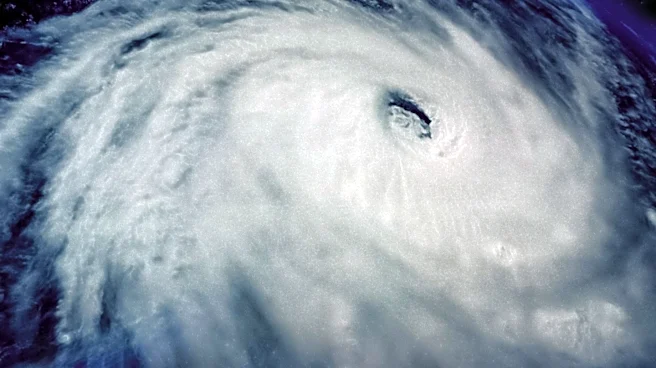
Two years after Hurricane Helene devastated western North Carolina, causing 107 deaths and nearly $60 billion in damage, the recovery efforts have become a significant point of contention in the state's U.S. Senate race. The two leading candidates, Democratic
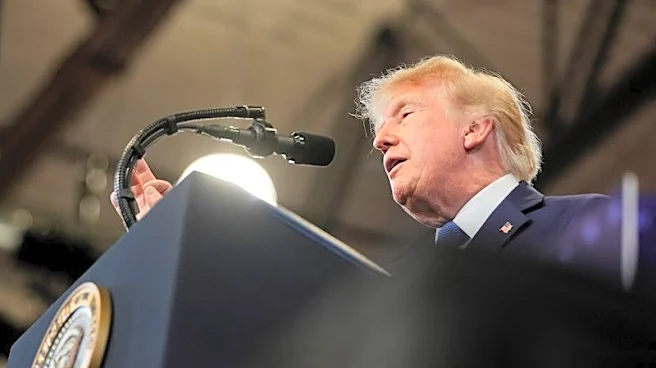
nominee Roy Cooper and Republican Michael Whatley, are both tied to the hurricane's aftermath. Cooper, who was governor when Helene struck in September 2024, is accused by Whatley of mishandling the recovery. Conversely, Cooper has criticized Whatley, who was reportedly tasked by President Trump with overseeing recovery efforts, for perceived failures. Despite some areas appearing to return to normal, evidence of the disaster's economic impact, such as 'for rent' signs and lingering debris, remains visible. The debate over who is to blame for the perceived shortcomings in recovery is a key theme in the campaign, with both candidates attempting to leverage the issue to their advantage.
Why It's Important?
The politicization of Hurricane Helene's recovery in the North Carolina U.S. Senate race highlights how natural disasters can profoundly influence political landscapes and electoral outcomes. With the retirement of Republican Senator Thom Tillis, Democrats view this as a crucial opportunity to gain a Senate seat in a state that has historically leaned Republican. The outcome of this election could significantly impact the balance of power in the U.S. Senate. The ongoing debate over recovery efforts also underscores the challenges of disaster management, particularly in terms of resource allocation, coordination between state and federal agencies, and public perception of effectiveness. Local businesses and residents continue to grapple with economic fallout, including inflation and rising healthcare premiums, which further intertwine the disaster's impact with broader economic policy discussions. The election serves as a referendum on leadership during crises and the ability of candidates to address the long-term needs of affected communities.
What's Next?
As the U.S. Senate election approaches, the candidates, Roy Cooper and Michael Whatley, are expected to intensify their campaigns, with Hurricane Helene recovery remaining a central talking point. Voters in North Carolina will weigh the candidates' past actions and proposed solutions for disaster recovery and economic revitalization. The outcome will not only determine who represents North Carolina in the Senate but could also influence the national political landscape, particularly the balance of power in the Senate. Local leaders and residents will continue to advocate for resources and support to complete the recovery process, regardless of the election's result. The ongoing economic challenges faced by communities, such as those in Marshall and Canton, will likely necessitate continued federal and state assistance. The election will serve as a critical moment for North Carolinians to decide which candidate they believe can best champion their interests in Washington and ensure a more resilient future.
Beyond the Headlines
The Hurricane Helene narrative in North Carolina extends beyond immediate political gains, revealing deeper societal and governmental challenges in disaster preparedness and response. The accusations of mishandling recovery efforts, regardless of their veracity, erode public trust in government institutions and can foster a sense of abandonment among affected populations. The economic struggles of small businesses, like Zuma Coffee, and the impact on employee benefits due to expiring federal subsidies, illustrate the complex interplay between natural disasters, economic policy, and social welfare. Furthermore, the discussion around the Federal Emergency Management Agency (FEMA) and its operational efficiency, particularly in light of proposals to shift disaster response to state and local governments, raises fundamental questions about the federal government's role in national crises. This election, therefore, is not just about a Senate seat, but about the future framework of disaster relief and the accountability of leaders in times of profound adversity.