








What's Happening?
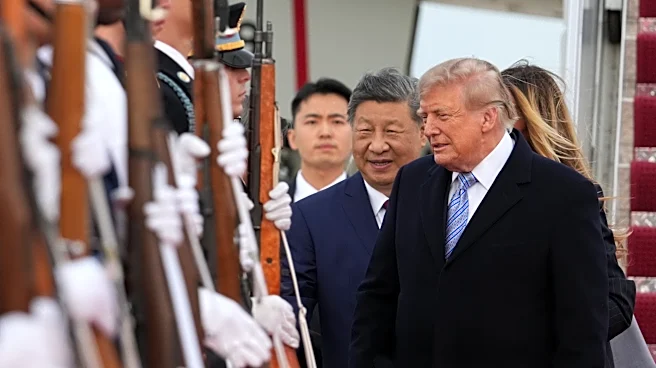
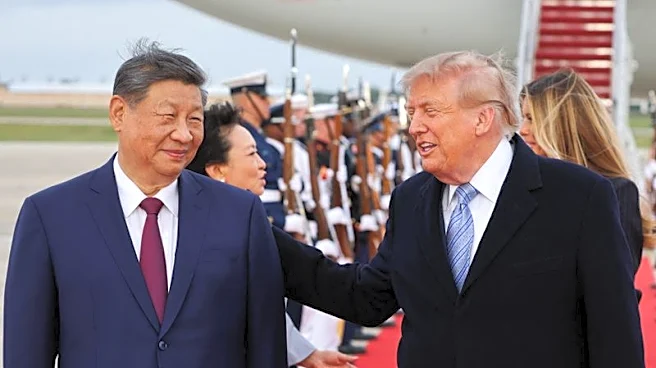
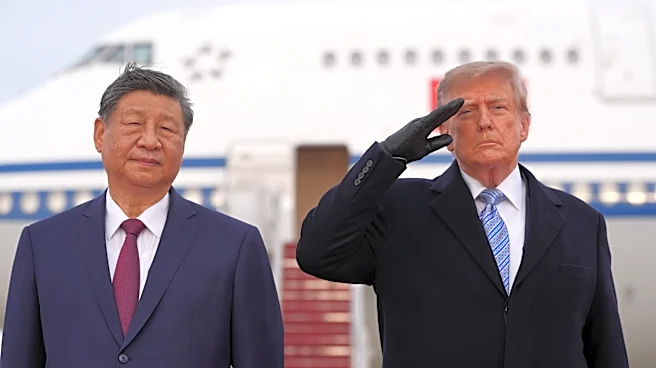
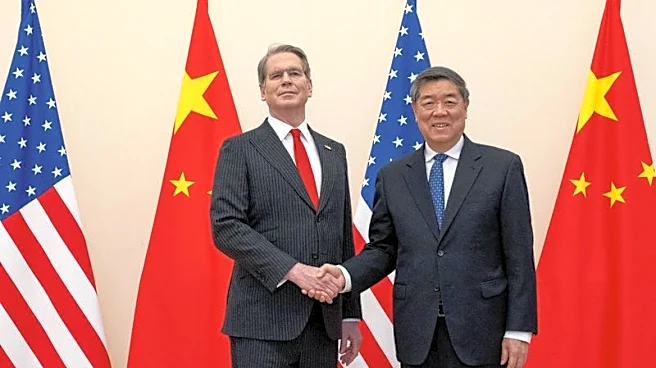
Congresswoman Kristen McDonald Rivet has sent a letter to Trump Administration officials, urging them to prioritize negotiations on AI-related safety practices during an upcoming summit between President Trump and Chinese President Xi Jinping. The summit,
scheduled for Thursday in Washington, is expected to cover various issues, including the future of artificial intelligence. McDonald Rivet emphasized the need for common-sense regulations to protect American jobs, safety, and opportunities as the U.S. and China compete for leadership in AI development. She stressed that such regulations must be implemented on a global scale and called on President Trump to engage firmly with President Xi to establish universal rules for AI that safeguard American security and economic interests. This initiative is part of her broader efforts to establish guardrails on artificial intelligence and data center development.
Why It's Important?
The push by Congresswoman McDonald Rivet highlights growing concerns within the U.S. government regarding the rapid advancement of artificial intelligence and its potential impact on the American workforce and national security. The call for global cooperation on AI safety practices underscores the recognition that AI development transcends national borders, necessitating international agreements to prevent adverse outcomes. If successful, these negotiations could lead to a framework of international AI regulations, potentially shaping the future of technological development and competition between the U.S. and China. For American industries, particularly those involved in technology and manufacturing, clear regulations could provide stability and ethical guidelines, while also protecting jobs from potential AI-driven displacement. Conversely, a failure to establish such guardrails could lead to an unregulated AI arms race, posing risks to economic stability, job security, and national defense. The emphasis on protecting Mid-Michigan jobs also reflects a broader concern about the economic implications of AI on local communities.
What's Next?
The immediate next step will be the summit between President Trump and Chinese President Xi Jinping, where AI cooperation and safety practices are expected to be discussed. The outcome of these discussions will indicate the willingness of both nations to engage in global AI regulation. Following the summit, Congresswoman McDonald Rivet and her colleagues may continue to advocate for legislative action, potentially pushing for votes on AI safeguards, as evidenced by her previous efforts to demand Speaker Mike Johnson cancel recess for such legislation. Further actions could include the introduction of new bills, similar to her 'Reverse Big Ugly Tax Breaks for Data Centers Act,' aimed at regulating data center development and its impact on local communities. Stakeholders, including technology companies, labor unions, and consumer advocacy groups, will likely monitor these developments closely, potentially lobbying for or against proposed regulations based on their interests. The ongoing dialogue between the U.S. and China on AI will be a critical determinant of future policy and technological trajectories.
Beyond the Headlines
The call for international AI cooperation by Congresswoman McDonald Rivet touches upon deeper ethical and geopolitical implications. The competition between the U.S. and China for AI leadership is not merely economic or technological; it also involves differing approaches to data privacy, surveillance, and the role of AI in society. Establishing universal rules for AI could set precedents for how advanced technologies are developed and deployed globally, influencing human rights, democratic values, and international relations. The focus on protecting jobs in Mid-Michigan also highlights the societal challenge of managing technological disruption and ensuring an equitable transition for the workforce. The debate over AI guardrails extends to questions of algorithmic bias, autonomous weapons systems, and the potential for AI to exacerbate existing inequalities. The outcome of these discussions could shape the ethical landscape of AI development for decades, impacting everything from consumer privacy to national security doctrines.