

What's Happening?
A severe heatwave is currently affecting large parts of the western United States, with temperatures expected to peak on Friday and Saturday. This heatwave is attributed to a meandering jet stream and a stationary area of high pressure, creating a 'heat
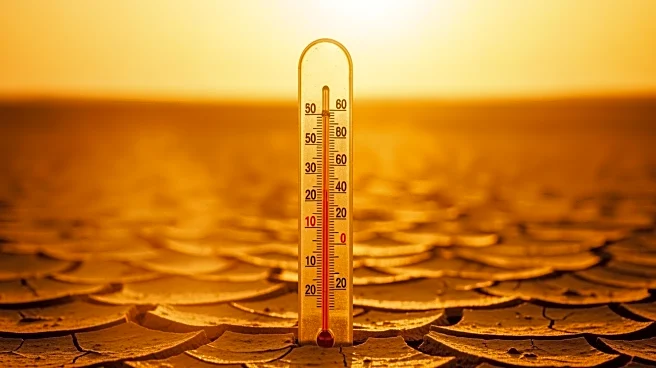
dome' effect. Temperatures are soaring to unprecedented levels for March, with Indio, California, reaching 42.2°C. The heatwave is expected to persist into next week, potentially affecting a broader area of the U.S. This extreme weather event is part of a pattern of increasing temperature anomalies linked to climate change.
Why It's Important?
The heatwave highlights the growing impact of climate change on weather patterns, with extreme temperatures occurring more frequently and outside of traditional seasonal norms. This has significant implications for public health, agriculture, and energy consumption, as communities must adapt to these new extremes. The increased frequency of such events poses challenges for infrastructure and emergency services, which must be prepared for conditions that exceed historical norms. The economic impact is also considerable, with potential losses in agriculture and increased energy costs.
What's Next?
As the heatwave continues, there is a need for immediate measures to protect vulnerable populations, such as establishing cooling centers and issuing health advisories. Long-term, this event underscores the urgency of addressing climate change through policy and innovation to mitigate future impacts. The persistence of such weather patterns may prompt further research into adaptive strategies for infrastructure and urban planning to cope with extreme heat.