





What's Happening?
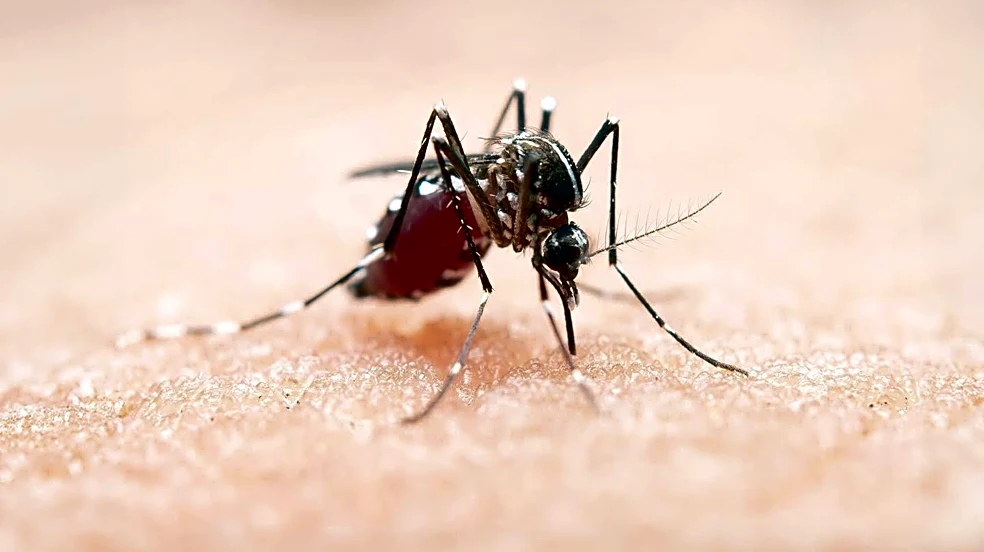
Health officials in Brevard County, Florida, have confirmed a locally acquired case of dengue fever, prompting an immediate increase in mosquito monitoring and treatment efforts. The Florida Department of Health in Brevard County and Brevard County Mosquito
Control are collaborating on a coordinated response. This includes targeted mosquito treatments and overnight spraying operations aimed at reducing the risk of further transmission. Officials are also enhancing their surveillance for mosquitoes and the various diseases they can carry, such as West Nile virus, Eastern equine encephalitis, St. Louis encephalitis, malaria, and chikungunya. A public advisory has been issued, urging residents to take precautions against mosquito bites, including avoiding outdoor activities during peak mosquito hours and using insect repellent. The state health officials are continuously tracking mosquito-borne illnesses across Florida and encourage residents to report dead birds through the Florida Fish and Wildlife Conservation Commission’s website as part of their monitoring efforts.
Why It's Important?
The confirmation of a locally acquired dengue case in Brevard County is a critical public health development, signaling the potential for local transmission of a serious mosquito-borne illness. This event necessitates a rapid and comprehensive response from health authorities to prevent a wider outbreak, which could strain local healthcare resources and impact the community's well-being. The coordinated efforts between the Florida Department of Health and Brevard County Mosquito Control are vital for effective disease control, demonstrating the importance of inter-agency collaboration in public health emergencies. The public advisory serves to empower residents with actionable steps to protect themselves, highlighting the role of individual responsibility in collective health outcomes. Furthermore, the broader context of tracking multiple mosquito-borne illnesses across Florida underscores the persistent challenge these diseases pose to public health in the region, impacting tourism and local economies if not effectively managed.
What's Next?
Brevard County health officials are expected to continue their intensified mosquito control and surveillance activities, including ongoing treatments and spraying, for the foreseeable future. Public health advisories will likely remain in effect, reiterating the importance of personal protection measures against mosquito bites. The Florida Department of Health will maintain its statewide monitoring of mosquito-borne illnesses, with a particular focus on areas with confirmed cases. Residents should anticipate further communications from health authorities regarding the evolving situation and any additional preventative actions. The collaboration between the health department and mosquito control will be crucial in assessing the effectiveness of current interventions and adapting strategies as needed to contain the spread of dengue and other mosquito-borne diseases.
Beyond the Headlines
The emergence of a locally acquired dengue case in Brevard County highlights the increasing vulnerability of U.S. communities to tropical diseases, a trend potentially exacerbated by climate change and global travel. This situation prompts a deeper examination of public health infrastructure and its capacity to respond to novel or re-emerging threats. The reliance on mosquito control measures, while necessary, also raises questions about the long-term ecological impacts of widespread insecticide use. Furthermore, the incident underscores the importance of public education and community engagement in disease prevention, as individual actions like eliminating standing water can significantly reduce mosquito breeding sites. This event could serve as a catalyst for enhanced research into more sustainable and environmentally friendly methods of vector control, as well as improved early detection systems for mosquito-borne pathogens.