


What's Happening?
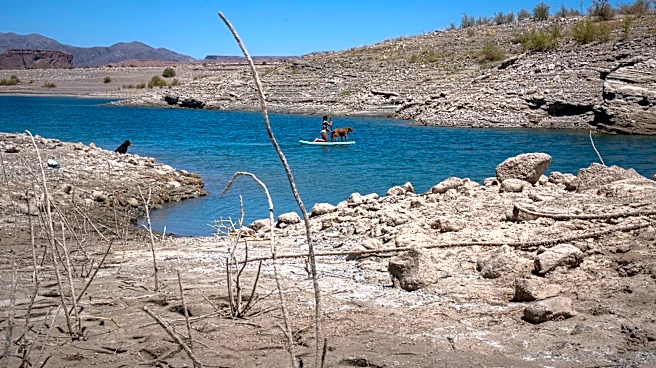
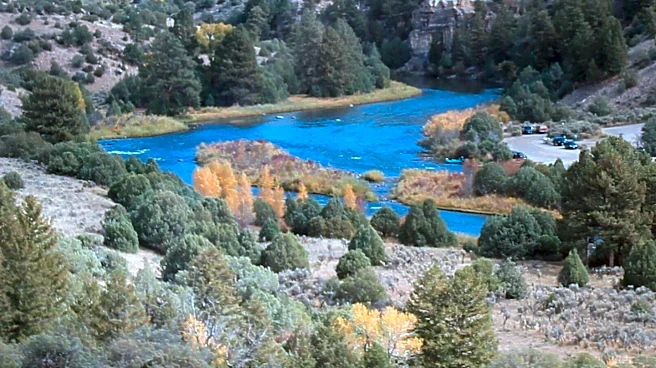
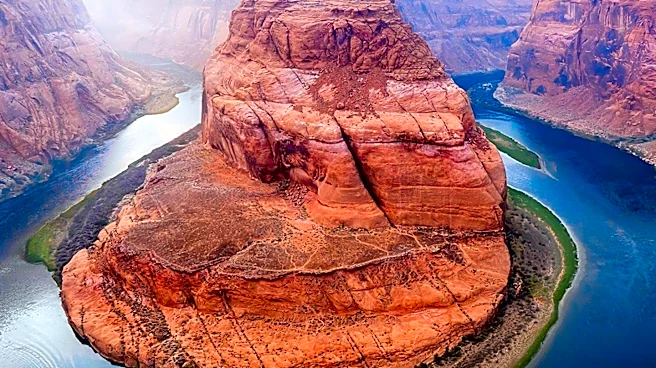
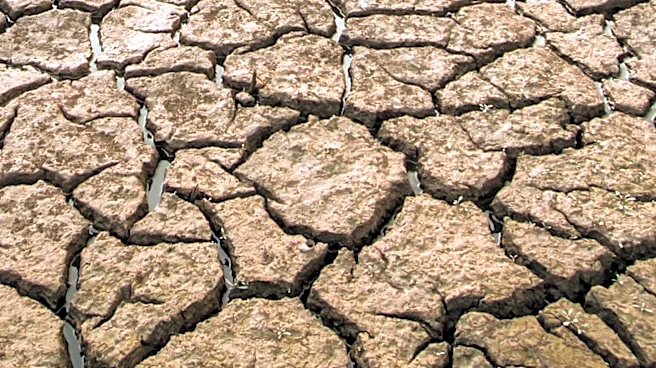
The U.S. Bureau of Reclamation has introduced a 10-year plan to significantly reduce water allocations from the Colorado River to Arizona, California, and Nevada. This plan, effective through 2036, is a response to severe drought conditions and chronic
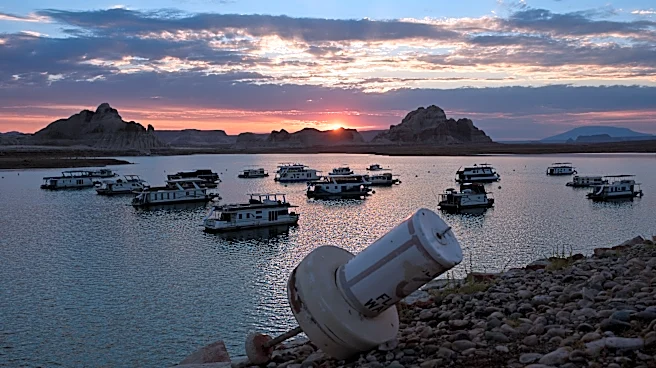
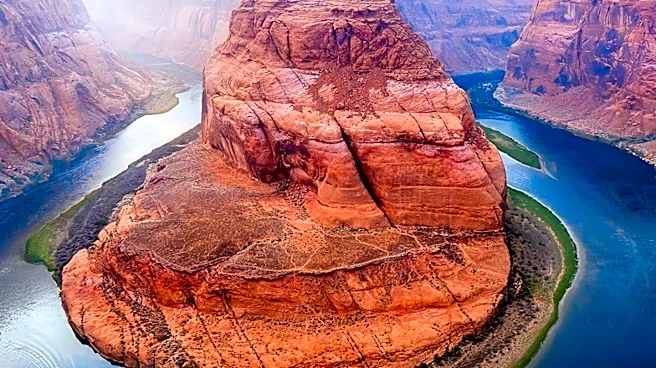
overuse of the river, which is crucial for water supply, agriculture, and power generation in the region. The proposal outlines potential water shortages of up to 3 million acre-feet annually for the Lower Basin states, nearly doubling the reductions previously suggested by these states. The plan aims to provide operational flexibility for Lake Powell and Lake Mead, the river's two largest reservoirs, which are at risk of dropping to levels that could halt hydroelectric power production.
Why It's Important?
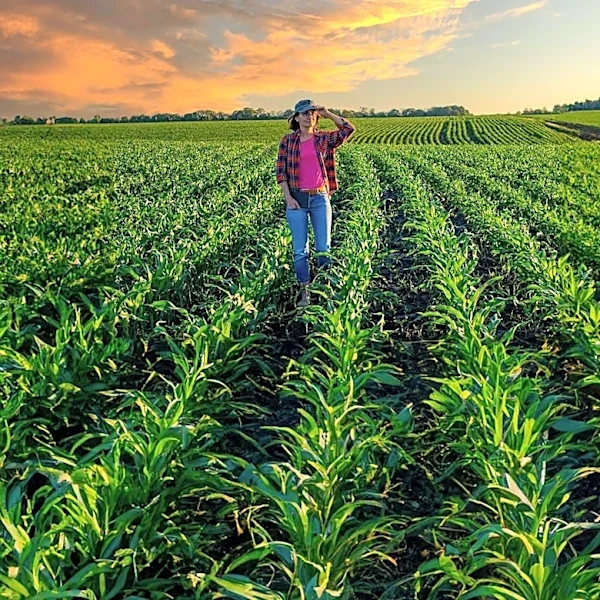
The proposed cuts are significant as they address the critical water scarcity affecting millions of people and key agricultural areas in the U.S. West. The Colorado River is a vital resource, supporting an estimated $1.4 trillion in GDP and 16 million jobs. The reductions could lead to increased water costs and force states to find alternative water sources, impacting economic activities and livelihoods. The plan also highlights the challenges of managing water resources amid climate change, which has led to a 20% decline in river flow since 2000. The proposal underscores the need for sustainable water management practices and collaborative solutions among the basin states.
What's Next?
The proposal is likely to face legal challenges from the affected states, particularly Arizona, which has criticized the plan as unacceptable. The federal government is expected to release further operating guidelines, which will detail how the cuts will be implemented. Stakeholders, including state governments and agricultural sectors, will need to negotiate and adapt to these new guidelines to mitigate the impact on their water supply and economic activities. The situation may also lead to further discussions on long-term water management strategies in the face of ongoing drought conditions.