
What's Happening?
Roche has developed a PCR diagnostic test for the Bundibugyo strain of Ebola, which is currently affecting central Africa. This test was created within a week of the genome sequence being identified and
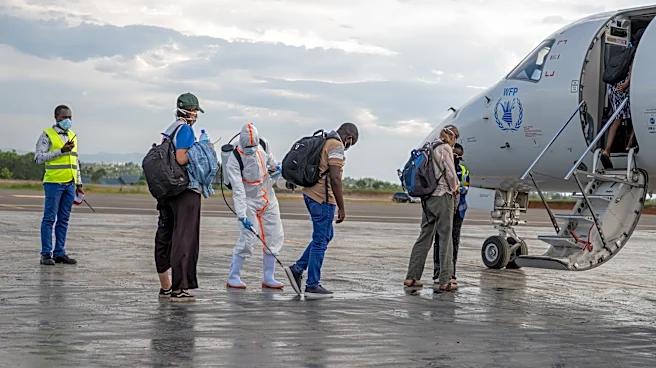
is intended for research use. It is being provided to laboratories to help establish testing capacity and validate results. The World Health Organization (WHO) has declared the outbreak a public health emergency, with 397 confirmed cases and 65 deaths reported. The test aims to address challenges in testing and surveillance, as well as aid in the rapid response to the outbreak, which is crucial for effective quarantine and treatment efforts.
Why It's Important?
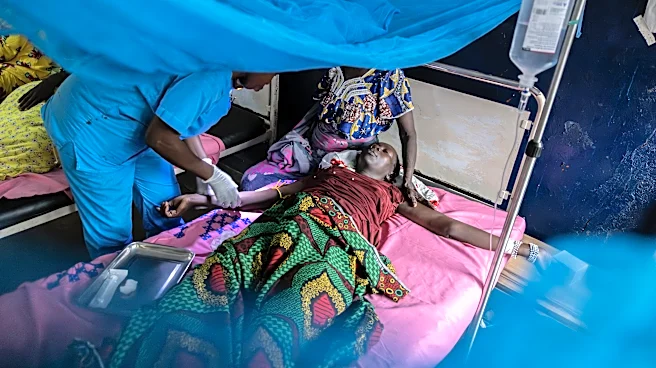
The development of this rapid diagnostic test is significant as it enhances the ability to respond quickly to the Ebola outbreak, which is critical in preventing further transmission. The Bundibugyo strain of Ebola has no approved vaccines or treatments, making early detection and quarantine essential. Roche's test could improve the speed and accuracy of diagnosis, allowing for timely supportive care and potentially saving lives. This development also highlights the importance of rapid response capabilities in managing infectious disease outbreaks, which can have severe public health implications.
What's Next?
Efforts are underway to accelerate the clinical development of vaccines and treatments for the Bundibugyo strain. The WHO and other health organizations will continue to monitor the outbreak and work on building community trust, which is vital for effective response efforts. The availability of Roche's test may lead to improved testing and surveillance, aiding in the containment of the outbreak. Continued collaboration between health agencies and diagnostic companies will be crucial in managing this and future outbreaks.