
What's Happening?
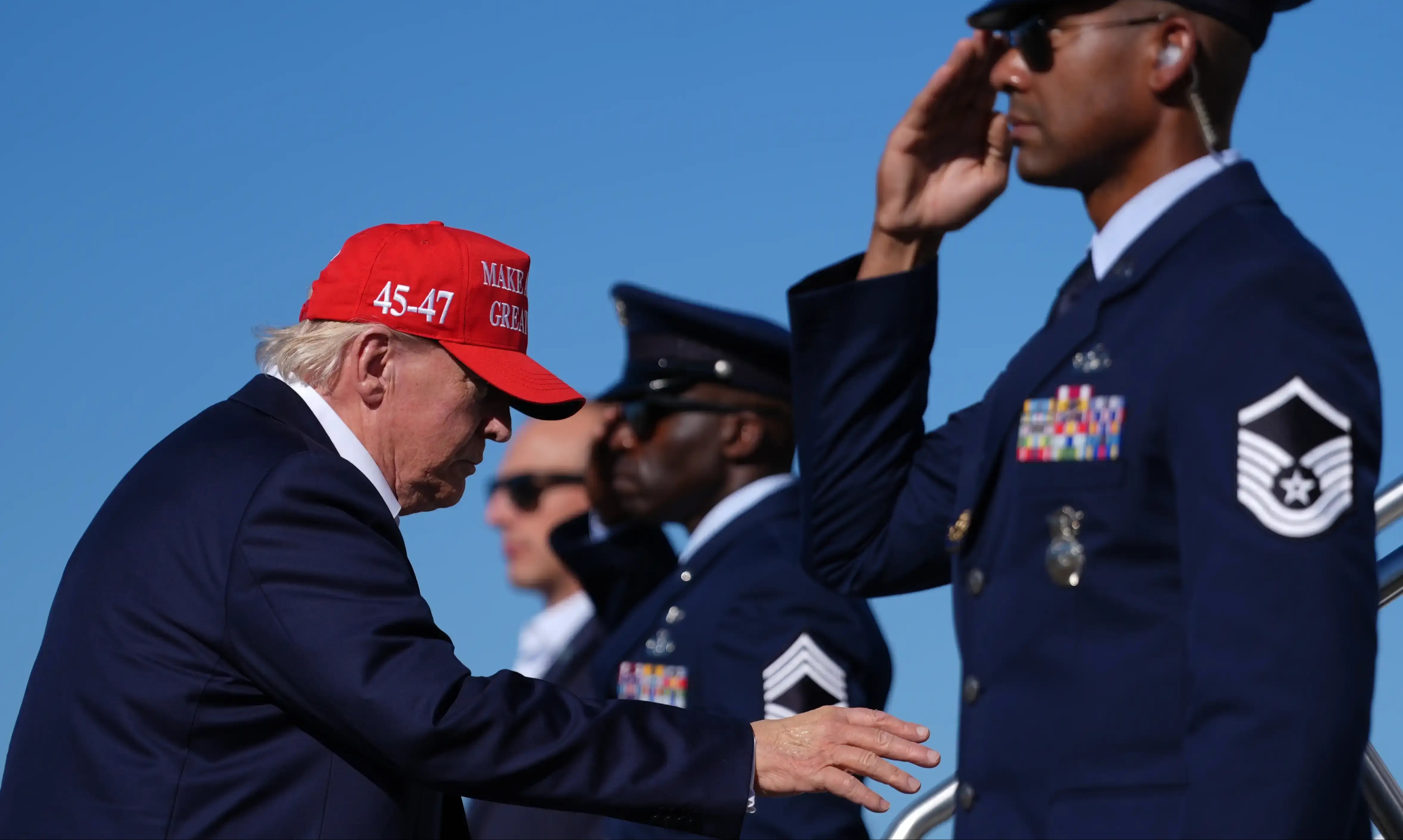
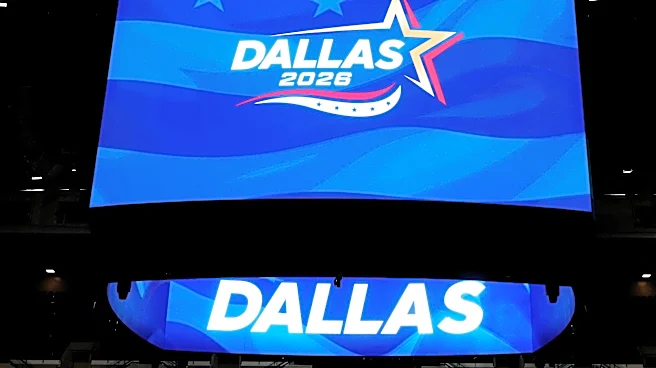
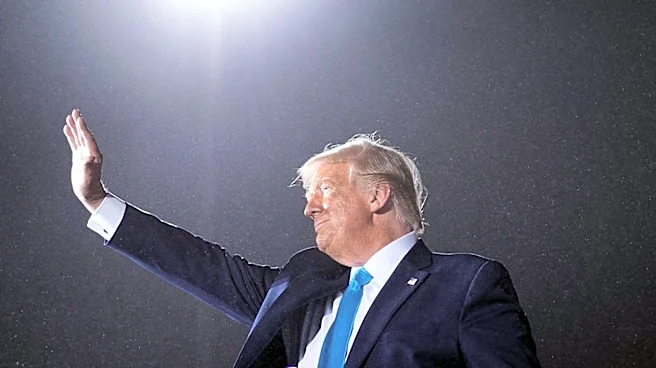
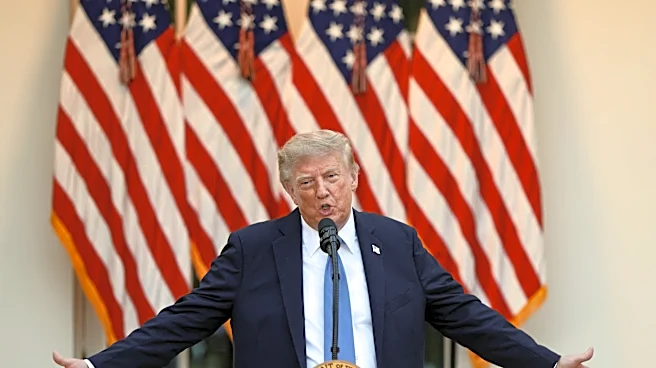
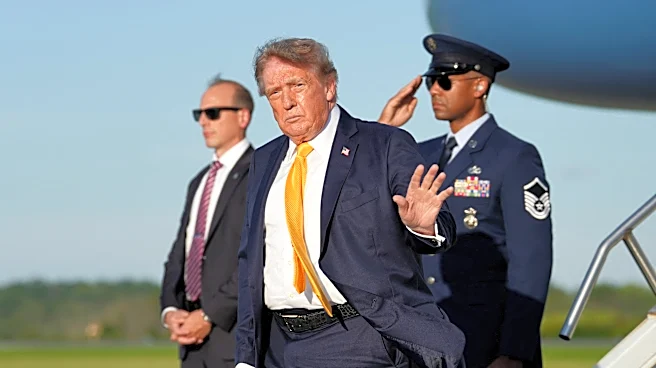
The Republican Party is set to host its first-ever midterm convention in Dallas, Texas, with President Trump delivering keynote addresses. This event, scheduled for Wednesday and Thursday, aims to boost party morale, nationalize congressional elections,
and energize Republican voters ahead of the November midterms. Other prominent speakers include Vice-President JD Vance, Treasury Secretary Scott Bessent, Attorney General Todd Blanche, Health Secretary Robert F Kennedy Jr, and Donald Trump Jr. The convention is being billed as a 'primetime showcase' to highlight Republican platforms on issues such as tax cuts, healthcare affordability, border security, and domestic manufacturing. Historically, Democrats have avoided such midterm conventions since a contentious event in 1978, which became a forum for internal party dissent. The Republican convention's timing coincides with the opening games of the American football season, and a Politico survey indicates that many Republican candidates and members are undecided about attending or will not be present, with some citing prior commitments or the $25,000 attendance fee.
Why It's Important?
This midterm convention is a significant gamble for the Republican Party, particularly given President Trump's current approval rating of 33%, which is reportedly the lowest of his political career, according to a Reuters/Ipsos poll. The event's success hinges on its ability to galvanize the Republican base, which historically shows lower turnout when President Trump is not on the ballot. If the convention fails to generate enthusiasm, it could backfire, further highlighting the party's challenges and potentially alienating independent voters. Some Republican candidates are already reportedly distancing themselves from President Trump, removing his likeness or endorsements from their campaign materials, suggesting a concern that his current unpopularity could be a liability. The convention's focus on specific policy areas and 'everyday Americans' aims to present a unified front and contrast with Democratic offerings, but critics suggest it may primarily serve as a 'Trump show,' potentially reinforcing dissatisfaction among voters.
What's Next?
The immediate focus will be on the convention's impact on voter enthusiasm and the Republican Party's standing in the upcoming midterm elections. Observers will be watching to see if President Trump's addresses can indeed energize the base and if the event can effectively counter his low approval ratings. The reactions of major stakeholders, including political leaders, businesses, and civil society groups, to the convention's messaging and outcomes will be crucial. The convention's schedule includes segments on tax cuts, healthcare, border security, and a tribute to a right-wing activist, aiming to appeal to various factions within the party. The event also serves as an early audition for potential 2028 presidential contenders like Vice-President Vance and Senator Ted Cruz, who will be speaking. However, the absence of foreign policy discussions, particularly regarding the unpopular war in Iran, could be a point of contention or criticism.
Beyond the Headlines
The Republican midterm convention highlights a deeper strategic tension within the party: the reliance on President Trump's influence versus the need to appeal to a broader electorate. The decision to center the convention around President Trump, despite his low approval ratings, underscores his continued dominance within the Republican base. This approach carries the risk of alienating moderate voters and independents who may be fatigued by 'Trumpist pageantry,' as some commentators suggest. The event also raises questions about the evolving nature of political conventions, moving from traditional policy-setting forums to more personality-driven rallies. The reported distancing of some Republican candidates from President Trump's image could signal a growing internal struggle over the party's future direction and its ability to adapt to changing political landscapes, especially if the midterms result in significant losses.