
What's Happening?
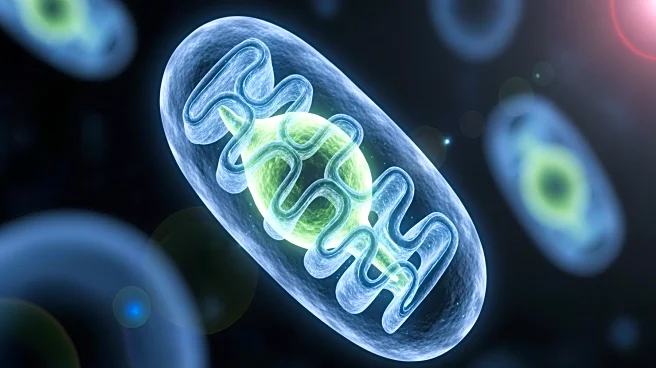
Researchers at Texas A&M University, led by Akhilesh Gaharwar, have developed a method to enhance mitochondrial transfer between cells, potentially reversing cellular aging and dysfunction. This involves
using biomaterial structures, termed 'nanoflowers,' to stimulate donor stem cells to produce more mitochondria. These mitochondria are then transferred to damaged cells, rejuvenating them. The method has shown promise in vitro, with plans for future animal studies. This approach could offer new treatments for degenerative diseases by addressing mitochondrial dysfunction, a key factor in cellular aging and disease progression.
Why It's Important?
The ability to enhance mitochondrial transfer could revolutionize treatments for a range of degenerative diseases, including neurodegenerative, cardiovascular, and metabolic disorders. By improving cellular energy production, this method could slow or reverse disease progression, offering hope for patients with limited treatment options. The research also highlights the potential for using stem cells in regenerative medicine, paving the way for innovative therapies that could improve quality of life and reduce healthcare costs associated with chronic diseases.
What's Next?
The research team plans to conduct animal studies to further evaluate the efficacy and safety of this method before considering human trials. If successful, this approach could lead to new therapeutic strategies for managing mitochondrial dysfunction and related diseases. The development of such treatments could attract interest from pharmaceutical companies and healthcare providers, potentially leading to collaborations and further research funding.