






What's Happening?
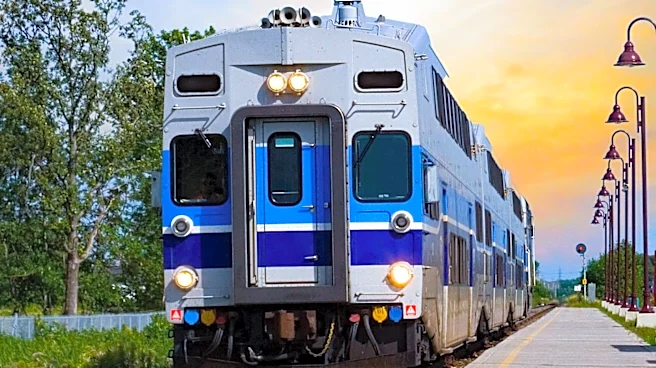
Congresswoman Lori Trahan has lauded a significant federal grant of nearly $140 million awarded to the Massachusetts Bay Transportation Authority (MBTA) for improvements to the Haverhill commuter rail line in the Merrimack Valley. The $139.6 million grant from
the Federal Railroad Administration will fund the addition of approximately seven miles of double track between Reading and Andover. This crucial upgrade aims to eliminate bottlenecks caused by single-track sections, which currently require trains to wait for opposing traffic, leading to delays. In addition to the double tracking, the project will include modernizing signals at 15 rail crossings, installing 10 miles of new fencing, and upgrading four stations—Reading, North Wilmington, Ballardvale, and Andover—to improve accessibility for all riders, including seniors and individuals with disabilities. Governor Maura Healey announced the award, emphasizing its role in enhancing reliability and safety for commuters.
Why It's Important?
This federal investment is vital for improving public transportation infrastructure in the Merrimack Valley, directly impacting thousands of daily commuters. The current single-track sections on the Haverhill Line are a major source of delays, affecting travel times and reliability. By adding double tracks, the project will significantly increase operational flexibility, reduce commute times, and enhance the overall efficiency of the commuter rail service. Improved accessibility at stations will also benefit a broader segment of the population, promoting inclusivity in public transit. Furthermore, the modernization of rail crossings and the installation of fencing will bolster safety along the corridor, addressing critical concerns in communities like Andover, which has experienced recent rail-related incidents. This project not only aims to alleviate traffic congestion and shorten commutes but also supports economic development by providing more reliable access to employment centers and fostering regional connectivity.
What's Next?
While Governor Maura Healey's administration has announced the federal grant, specific construction start and estimated completion dates for the Haverhill Double-Track Project have not yet been provided. The project will involve the final design and construction phases, which will likely entail detailed planning, procurement, and coordination with local communities. Interim Secretary and MBTA General Manager Phillip Eng has indicated that the additional track will provide greater operational flexibility and could reduce travel times, benefiting not only MBTA commuter rail users but also Amtrak's Downeaster service and CSX freight trains that share the corridor. Local officials and residents will likely monitor the progress of the project closely, anticipating the promised improvements in service reliability, speed, and safety. The successful implementation of this project could also serve as a model for future infrastructure investments in other parts of the U.S. facing similar transportation challenges.
Beyond the Headlines
Beyond the immediate benefits of faster and more reliable train service, this infrastructure investment reflects a broader commitment to sustainable urban development and regional connectivity. The project's focus on accessibility aligns with national efforts to ensure public transit systems serve all members of society, regardless of physical ability. The emphasis on safety, through modernized signals and fencing, addresses the critical need to mitigate risks associated with rail corridors in densely populated areas. This federal grant also highlights the importance of intergovernmental collaboration, with federal, state, and local entities working together to secure funding and implement large-scale public works. The long-term implications include potential shifts in commuting patterns, reduced reliance on personal vehicles, and a positive environmental impact through decreased carbon emissions. This investment is a step towards building more resilient and efficient transportation networks for the future.