
What's Happening?
Russian forces have increased their offensive operations in Eastern Ukraine, particularly near Slovyansk, as reported by a Ukrainian brigade. The Russian military is focusing on gaining control over the banks
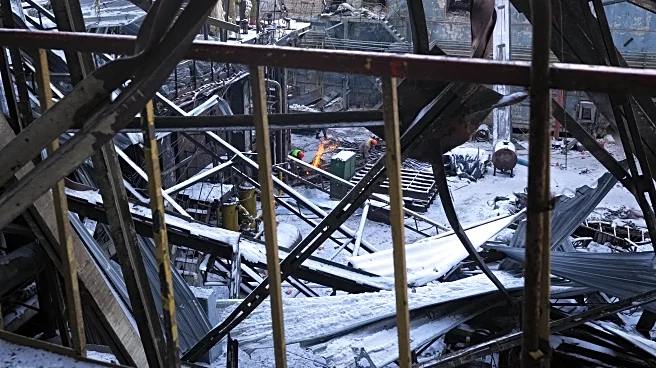
of the Siverskyi Donets River and consolidating positions on local heights to exert fire control over Ukrainian positions. This escalation includes the use of fireteam infiltration tactics aimed at penetrating Ukrainian tactical rear positions. Additionally, Russian forces have conducted missile and drone strikes across various Ukrainian regions, including Chernihiv, Dnipropetrovsk, Kharkiv, Kyiv, Odesa, and Zaporizhia. The Ukrainian Air Force reported that a significant number of drones were launched, with Ukrainian forces successfully downing a majority of them. Meanwhile, Ukrainian forces have continued their strike campaign against Russian military assets, targeting locations near the front line and in the Russian near rear.
Why It's Important?
The intensification of Russian military operations in Eastern Ukraine signifies a critical phase in the ongoing conflict, with potential implications for regional stability and international relations. The strategic focus on controlling key geographical features like the Siverskyi Donets River highlights the tactical importance of these areas in the broader conflict. The use of advanced military tactics and technology, including drones and missile strikes, underscores the evolving nature of warfare in the region. This escalation could lead to increased casualties and further displacement of civilians, exacerbating the humanitarian crisis. Additionally, the involvement of external actors, such as the reported support from the People's Republic of China in supplying technology and equipment to Russia, adds a complex layer to the geopolitical dynamics, potentially influencing international diplomatic and economic responses.
What's Next?
As the conflict continues, further military engagements are expected, with both Russian and Ukrainian forces likely to intensify their operations. The international community may respond with increased diplomatic efforts or sanctions, particularly if external support for Russia's military capabilities is confirmed. The situation could also prompt discussions within NATO and other international bodies regarding additional support for Ukraine. On the ground, the changing weather conditions could impact military strategies, with both sides adjusting their tactics accordingly. The humanitarian situation is likely to deteriorate, necessitating increased aid and support for affected populations.
Beyond the Headlines
The ongoing conflict in Ukraine raises significant ethical and legal questions, particularly concerning the conduct of military operations and the impact on civilian populations. The use of advanced military technology, including drones, highlights the need for updated international regulations and agreements on warfare. The involvement of external actors, such as China, in supplying military technology to Russia, could lead to shifts in global alliances and trade relations. Long-term, the conflict may influence defense policies and military strategies worldwide, as nations reassess their security needs in light of emerging threats and technologies.