






What's Happening?
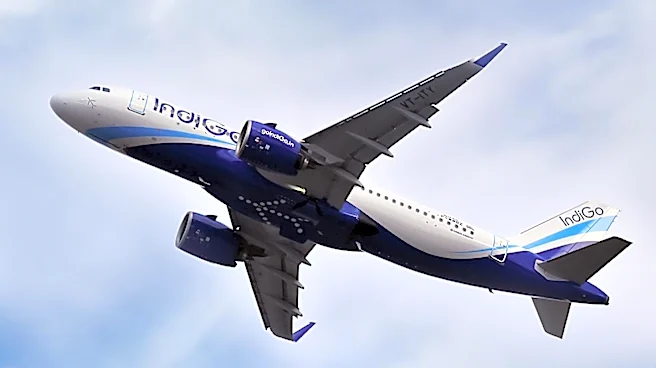
An IndiGo flight, 6E 6115, traveling from Delhi to Chennai, was diverted to Hyderabad after a passenger's personal electronic device (PED) battery caught fire. The incident occurred on Sunday, prompting the cabin crew to respond swiftly by placing the burning
power bank in water to contain the situation. Following established protocols, the pilots made the decision to divert the flight, landing safely in Hyderabad. An IndiGo spokesperson confirmed that smoke was detected from a customer's PED, and the crew's prompt action brought the situation under control. This event highlights ongoing concerns within the aviation industry regarding the safe handling and storage of lithium-ion batteries and power banks on commercial flights. Many countries, including India, mandate that such devices be kept in front of passengers, rather than in overhead bins, to allow for quick detection and response in case of an incident.
Why It's Important?
This incident underscores the critical safety implications of personal electronic devices, particularly those with lithium-ion batteries, on commercial flights. The rapid response of the IndiGo cabin crew and pilots prevented a potentially more serious situation, emphasizing the importance of rigorous safety protocols and crew training. For the U.S. aviation industry, this event serves as a reminder of the global challenges in enforcing regulations regarding PEDs. While U.S. airlines and regulatory bodies like the FAA have similar guidelines, passenger compliance remains a key factor. A fire involving a power bank in an overhead bin, as in this case, poses a significant risk because it can go undetected for longer, making containment more difficult. This incident could prompt U.S. carriers and authorities to review and potentially strengthen existing policies, as well as enhance passenger awareness campaigns about the safe stowage of electronic devices to mitigate fire hazards.
What's Next?
Following this incident, the aviation ministry and regulatory bodies in India are likely to review existing guidelines and enforcement mechanisms for carrying personal electronic devices and power banks on flights. There may be increased scrutiny on how passengers store these items, particularly in overhead bins, despite current mandates for them to be kept within reach. Airlines, including those operating in the U.S., might intensify their pre-flight announcements and educational campaigns to ensure passengers understand the risks associated with lithium-ion batteries and the proper procedures for their stowage. Furthermore, there could be discussions about technological solutions, such as fire-resistant containment bags for PEDs, or more advanced detection systems for thermal events in cabin baggage. The incident may also prompt manufacturers of power banks and electronic devices to explore enhanced safety features to prevent thermal runaway events.
Beyond the Headlines
The diversion of the IndiGo flight due to a power bank fire points to a broader, systemic challenge in modern air travel: the proliferation of lithium-ion battery-powered devices. These batteries, while essential for contemporary electronics, pose inherent fire risks due to their energy density and potential for thermal runaway. This incident highlights the tension between passenger convenience and aviation safety. While regulations exist, the sheer volume of devices carried by passengers makes consistent enforcement difficult. The deeper implication is the need for a multi-faceted approach involving stricter manufacturing standards for batteries, more effective passenger education, and potentially innovative cabin design solutions to manage such risks. This event also brings to light the often-ignored instructions given by cabin crew, suggesting a need for more impactful communication strategies to ensure passenger compliance with safety regulations, which are ultimately designed for their protection.