
What's Happening?
New research highlights a strong connection between dietary choices and mental well-being, emphasizing that food is a powerful tool for mood regulation. While not a cure for depression or anxiety, a nutrient-dense
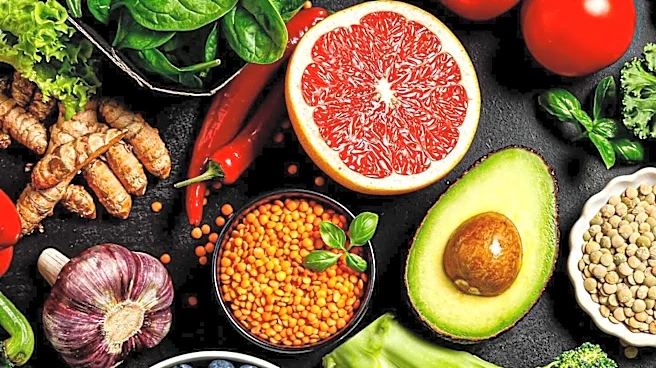
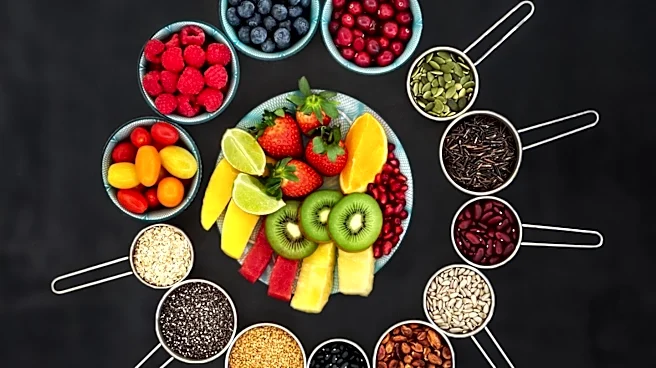
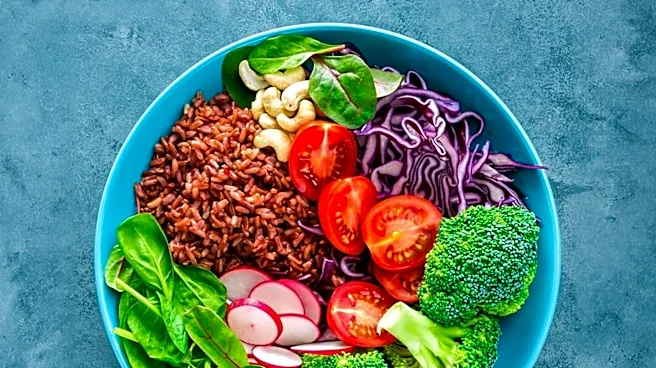
diet can significantly support mental health. The gut-brain axis, a constant conversation between the gut and the brain via the vagus nerve, immune system, hormones, and microbial compounds, plays a crucial role. Most of the body's serotonin, a mood-linked chemical messenger, is produced in the gut, with gut bacteria regulating its production. A 2017 randomized controlled trial demonstrated that adults with moderate to severe depression who received dietary support showed a 32% remission rate after 12 weeks, compared to 8% in a social support group. This diet focused on whole foods like vegetables, fruits, whole grains, legumes, fish, nuts, and olive oil, while reducing sweets, refined grains, and processed meats. Conversely, a 2024 review in The BMJ indicated that higher consumption of ultra-processed foods was associated with increased odds of anxiety, common mental health disorders, and depression.
Why It's Important?
This growing body of evidence underscores the critical role of nutrition in public health strategies for mental well-being in the U.S. The findings suggest that dietary interventions could complement traditional mental health treatments, potentially reducing the burden of mood disorders. For individuals, understanding the gut-brain connection empowers them to make informed food choices that can positively impact their daily mood and energy levels. The emphasis on whole foods and reduced processed foods aligns with broader public health goals to combat diet-related diseases. The research also highlights the potential for food manufacturers and the food industry to innovate and offer more mood-friendly products, while healthcare providers may increasingly integrate nutritional counseling into mental health care plans. This shift could lead to a more holistic approach to mental health, benefiting a wide range of U.S. citizens.
What's Next?
Future efforts will likely focus on further research into the specific mechanisms by which different foods and gut microbes influence brain function and mood. This could lead to more targeted dietary recommendations and the development of functional foods designed to support mental health. Healthcare professionals, including dietitians and mental health practitioners, may increasingly collaborate to offer integrated care that addresses both psychological and nutritional aspects of well-being. Public health campaigns could also emerge to educate the U.S. population about the benefits of mood-boosting diets, encouraging the consumption of fiber-rich plants, omega-3 fats, and fermented foods. Additionally, the food industry may see an increased demand for products that align with these dietary principles, potentially leading to new market opportunities and product innovations.
Beyond the Headlines
Beyond the immediate implications for mental health, this research touches upon deeper societal and economic dimensions. The understanding that diet significantly impacts mood could challenge the prevailing reliance on pharmaceutical solutions for mental health issues, promoting a more preventative and lifestyle-oriented approach. Ethically, it raises questions about food accessibility and education, as healthier food options may not be equally available or affordable for all segments of the U.S. population. Culturally, it could foster a greater appreciation for traditional diets rich in whole, unprocessed foods. Long-term, a widespread adoption of mood-friendly eating habits could lead to a healthier, more resilient society, potentially reducing healthcare costs associated with mental health conditions and improving overall productivity and quality of life across the nation.