









What's Happening?
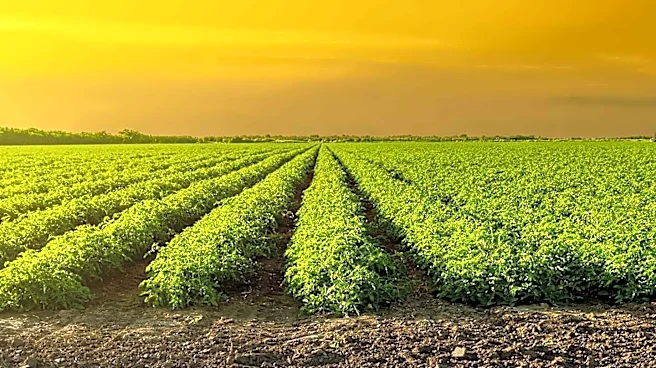
George Washington Carver's pioneering work in the early 1900s significantly transformed Southern agriculture. Facing challenges such as poor soil conditions and declining crop yields, Southern farmers struggled to maintain successful operations. Carver introduced
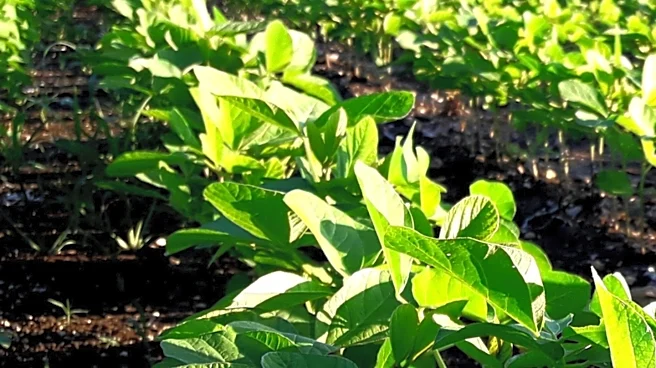
innovative agricultural practices, promoting crop rotation and diversification with crops like peanuts, sweet potatoes, and soybeans. His research demonstrated the economic and soil health benefits of these crops, providing new opportunities for farmers and reducing reliance on cotton. Carver's contributions are credited with rescuing Southern agriculture during a critical period and laying the foundation for modern sustainable farming practices.
Why It's Important?
Carver's work highlights the critical role of innovation and scientific research in overcoming agricultural challenges. By promoting sustainable practices, Carver helped restore soil health and improve the economic viability of Southern farms. His legacy continues to influence modern agriculture, emphasizing the importance of diversification and soil conservation. Carver's contributions also underscore the potential for science and education to drive positive change in farming communities, offering valuable lessons for addressing current and future agricultural challenges.
Beyond the Headlines
Carver's impact extends beyond agriculture, reflecting broader themes of resilience and adaptation in the face of adversity. His dedication to improving the lives of farmers through education and practical research serves as an enduring example of how individuals can drive significant societal change. Carver's legacy also highlights the importance of supporting scientific research and innovation to address complex environmental and economic issues, a lesson that remains relevant in today's efforts to promote sustainable development.