


What's Happening?
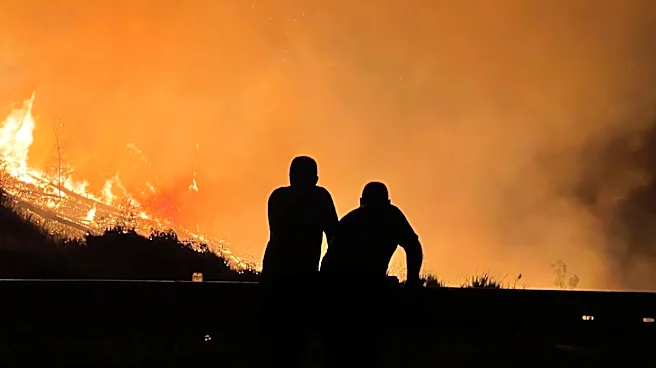
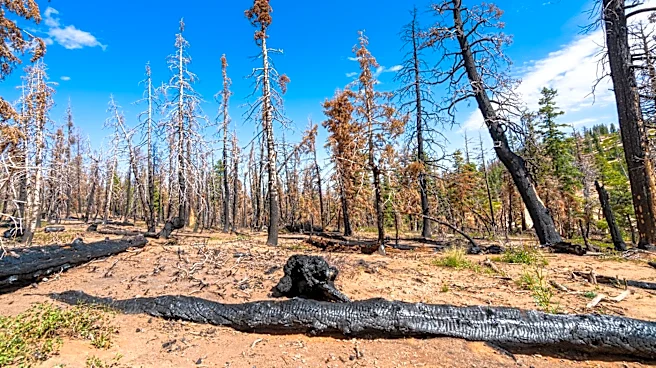
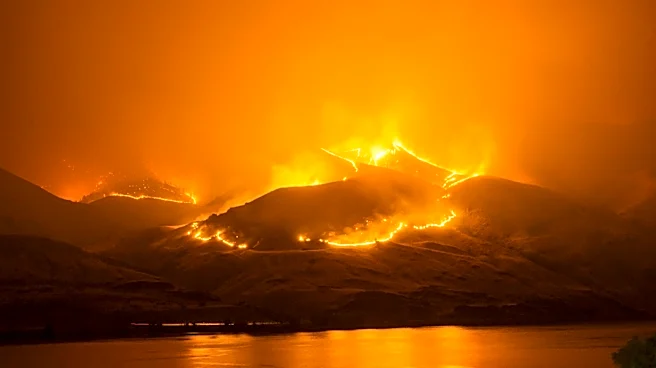
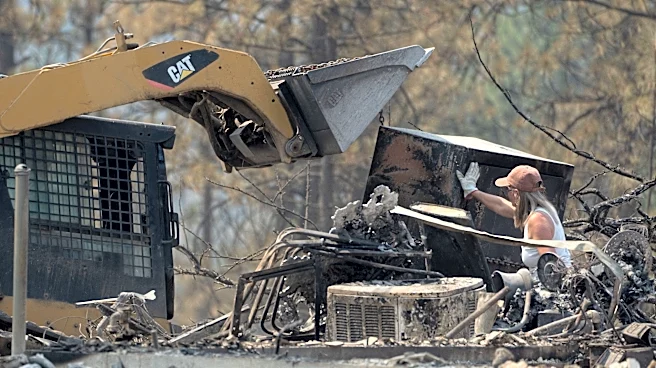
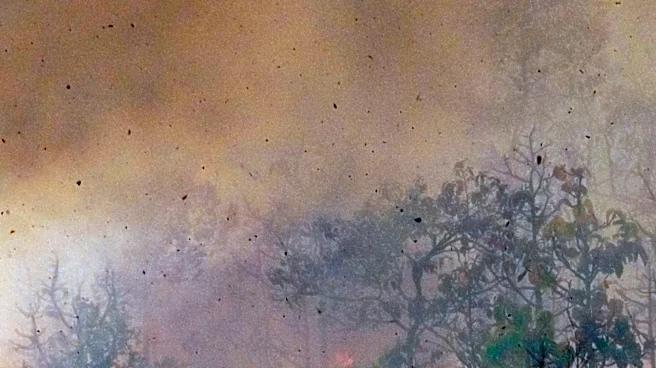
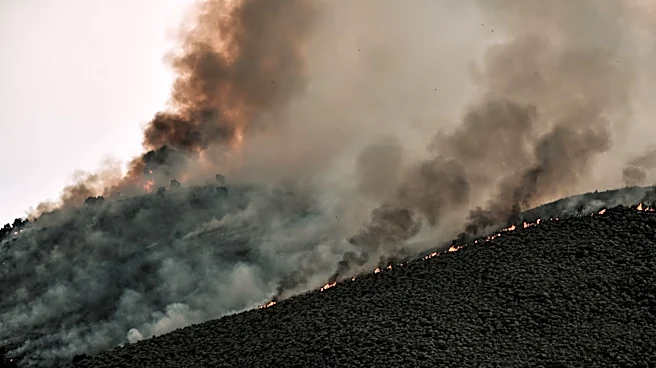
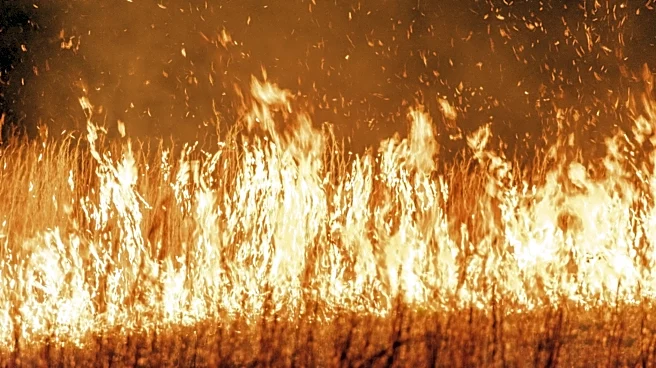
Recent wildfires in Spokane, Washington, have burned over 10,000 acres and destroyed more than 700 structures, forcing 65,000 residents to evacuate. These fires are part of a broader trend of increasing wildfire frequency and intensity across the U.S.,
exacerbated by climate change. The fires in Spokane, which began on August 1, have been fueled by hot, dry, and windy conditions, a pattern that experts warn is becoming more common.
Why It's Important?
The Spokane wildfires underscore the growing threat of wildfires in the U.S., driven by climate change and human factors. As fire seasons lengthen and become more severe, the risk to communities increases, along with the health impacts from smoke and air pollution. This situation calls for urgent action in terms of fire management, community preparedness, and climate change mitigation to protect vulnerable areas.
What's Next?
Efforts to manage and mitigate wildfire risks will likely focus on improving forest management practices, enhancing community resilience, and addressing climate change. Policymakers and communities will need to collaborate on strategies to reduce fire risks and protect lives and property. Public awareness and preparedness campaigns will be crucial in helping residents understand and respond to wildfire threats.