
What's Happening?
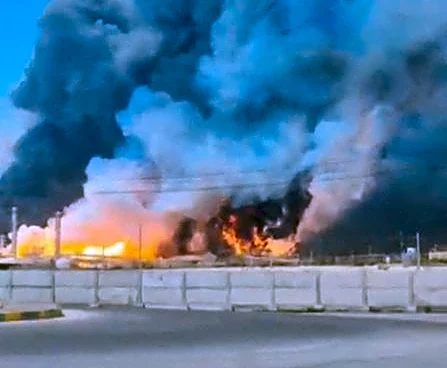
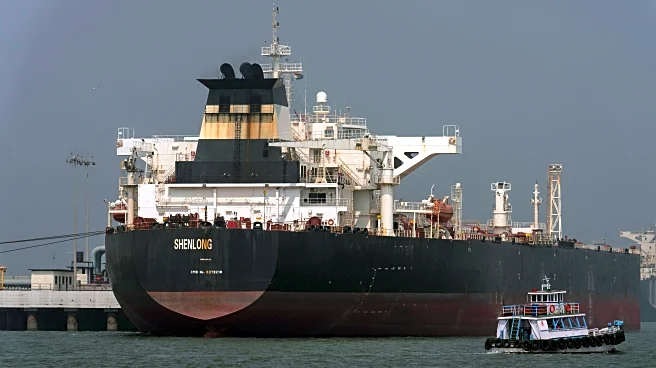
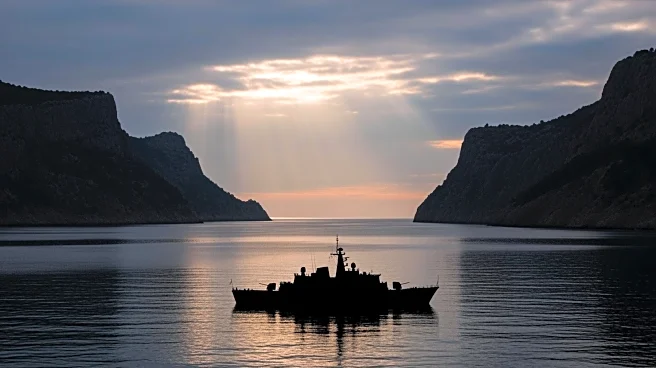
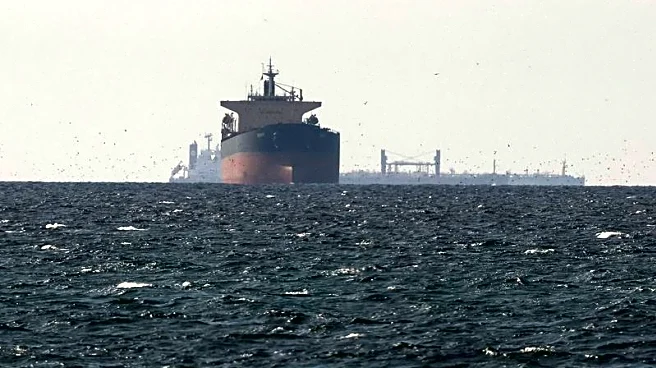
The International Maritime Organisation (IMO) has initiated emergency talks to address the shipping crisis in the Middle East, exacerbated by Iran's retaliation to Israeli-US strikes. This situation has left approximately 20,000 seafarers stranded on 3,200
vessels near the Strait of Hormuz. The IMO's 40-member council is considering resolutions to establish a safe maritime corridor for the evacuation of these seafarers and ships. The meeting, which includes 176 member states and various NGOs, aims to find practical solutions to the crisis. The IMO Secretary-General, Arsenio Dominguez, emphasized the need for immediate action, highlighting the geopolitical tensions affecting global shipping.
Why It's Important?
The crisis in the Strait of Hormuz, a critical maritime chokepoint, has significant implications for global trade and energy markets. The blockade has led to a spike in oil prices, affecting economies worldwide. The situation underscores the vulnerability of international shipping to geopolitical conflicts, with potential disruptions to global supply chains. The IMO's efforts to address the crisis are crucial for ensuring the safety of seafarers and maintaining the flow of goods. The outcome of these talks could set a precedent for international cooperation in maritime security.
What's Next?
The IMO council is expected to vote on proposed resolutions, although these remain non-binding. The international community, including Gulf states and European countries, is urging the IMO to condemn Iran's actions and facilitate a safe evacuation of stranded vessels. The situation may prompt further diplomatic efforts to de-escalate tensions in the region. The maritime industry is also calling for a coordinated international approach to security, emphasizing the welfare of seafarers. The resolution of this crisis will require collaboration among multiple stakeholders, including governments and industry bodies.