








What's Happening?
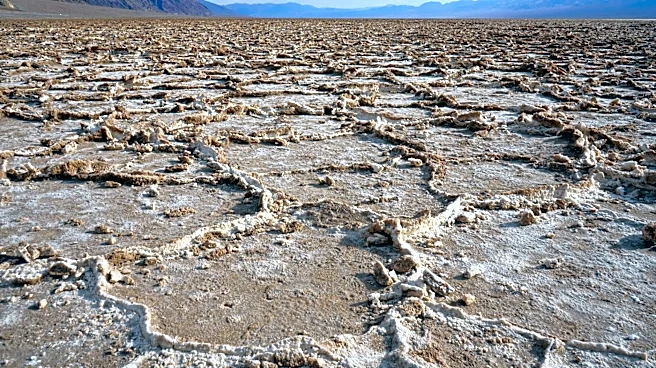
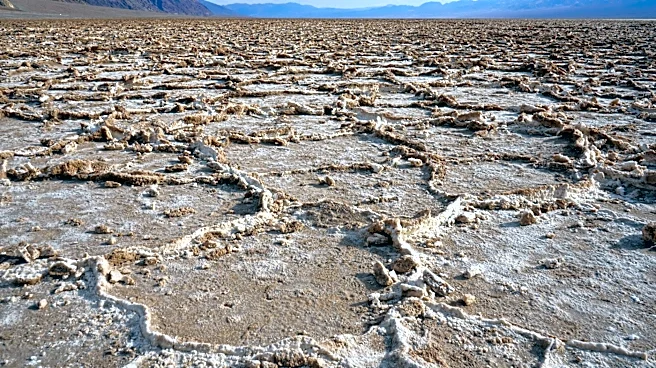
Pierre Michel Formosa, a 68-year-old French tourist, died in Death Valley National Park after his car became stuck in thick mud on a remote road. Formosa and his traveling companion, both from France, attempted to walk for help across exposed salt flats
in temperatures reaching 116 degrees Fahrenheit. After walking approximately 1.3 miles, Formosa was unable to continue. His companion proceeded alone, eventually flagging down a driver who transported him to the Furnace Creek Visitor Center to report the emergency. National Park Service rangers, an Inyo County Sheriff’s deputy, and a California Highway Patrol helicopter crew initiated a search and rescue operation, locating Formosa about 1.5 miles from the road. He was pronounced dead at the scene. The Inyo County Coroner’s Office will investigate the exact cause and manner of death.
Why It's Important?
This incident underscores the severe dangers posed by Death Valley's extreme conditions, particularly its intense heat, vast distances, and remote terrain. It serves as a critical reminder for visitors about the importance of safety protocols in such environments. National Park officials emphasize that staying with a disabled vehicle is often the safest course of action, as cars provide shade and shelter and are more easily spotted by search teams from the air than individuals on foot. The tragedy highlights the potential for rapid onset of life-threatening situations, even for experienced travelers, and the need for heightened awareness and preparedness when visiting extreme natural environments in the U.S.
What's Next?
The Inyo County Coroner’s Office will conduct an investigation to determine the precise cause and manner of Pierre Michel Formosa’s death. Death Valley National Park officials are expected to continue their public awareness campaigns, reiterating safety guidelines for visitors, especially regarding the dangers of extreme heat and the recommendation to remain with a stranded vehicle. This incident may prompt further review of emergency response protocols and visitor information dissemination within national parks known for hazardous conditions. The park superintendent, Mike Reynolds, has already issued a statement emphasizing the rapid onset of danger in the park.
Beyond the Headlines
This tragic event brings to light the broader challenges of managing visitor safety in vast, extreme natural landscapes like Death Valley, which attract tourists from around the world. It raises questions about the effectiveness of current warning systems and the extent to which international visitors, who may be unfamiliar with such harsh conditions, fully grasp the risks. The incident could also spark discussions on the balance between preserving the wilderness character of national parks and ensuring visitor safety through infrastructure or more stringent regulations. Furthermore, it highlights the psychological and physical toll that extreme environments can take, leading individuals to make desperate decisions like attempting to walk long distances in scorching heat.