
What's Happening?
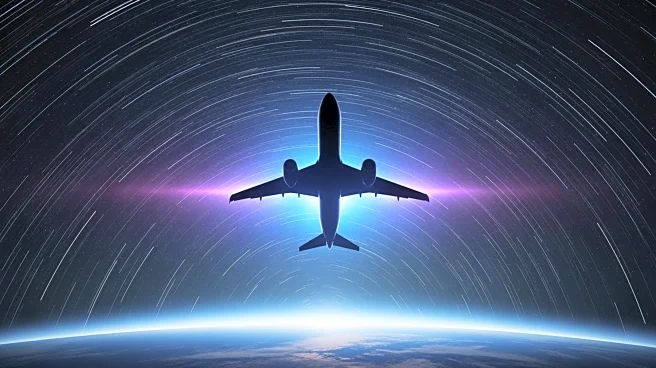
A JetBlue Airbus A320 experienced a sudden drop in altitude while en route from Cancun to Newark on October 30, resulting in an emergency landing in Tampa. The incident injured approximately 20 passengers,
with 15 requiring hospitalization. Clive Dyer, a space and radiation expert from the University of Surrey, suggested that cosmic rays from a supernova explosion might have interfered with the aircraft's electronics, causing the malfunction. While Airbus officials attributed the issue to intense solar radiation affecting the plane's navigation equipment, Dyer argued that the radiation likely originated from a supernova, as local solar events on that day were insufficient to cause such disruptions. Cosmic rays, high-energy particles from space, can alter electronic circuits, potentially leading to hardware failures.
Why It's Important?
This incident highlights the vulnerability of modern aircraft to cosmic radiation, which can disrupt electronic systems critical to flight safety. The potential for cosmic rays to interfere with aviation electronics underscores the need for robust systems capable of withstanding such interference. As air travel continues to rely heavily on advanced technology, ensuring the resilience of these systems is crucial to passenger safety. The event also raises awareness about the broader implications of cosmic phenomena on Earth-based technologies, prompting manufacturers to consider enhanced protective measures in aircraft design.
What's Next?
In response to this incident, there may be increased scrutiny on the design and resilience of aircraft electronics against cosmic interference. Aviation authorities and manufacturers might explore new standards or technologies to mitigate the risks posed by cosmic rays. This could involve developing more robust electronic systems or implementing additional safety protocols during flights. The aviation industry may also engage in further research to better understand the impact of cosmic phenomena on flight safety, potentially leading to innovations in aircraft design and operation.
Beyond the Headlines
The incident serves as a reminder of the interconnectedness between cosmic events and terrestrial technology. As our reliance on electronic systems grows, understanding and mitigating the effects of cosmic radiation becomes increasingly important. This event could spur broader discussions on the need for cross-disciplinary research involving astrophysics and engineering to enhance the safety and reliability of critical infrastructure. Additionally, it highlights the importance of continuous monitoring and adaptation in the face of evolving cosmic and environmental challenges.