






What's Happening?
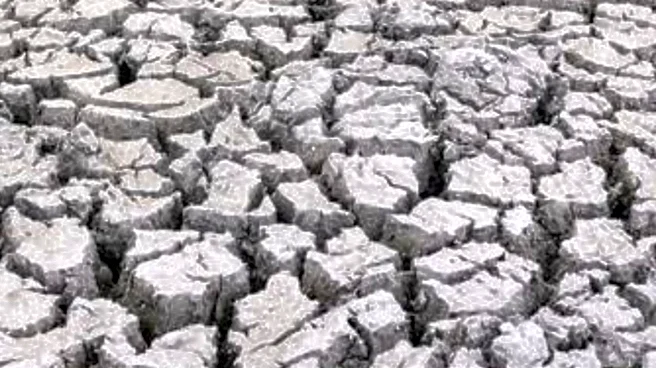
Zimbabwe's Finance Minister Professor Mthuli Ncube is set to present the 2027 National Budget, which will focus on stimulating production, attracting investment, strengthening currency stability, and cushioning the economy against an anticipated El Niño-induced
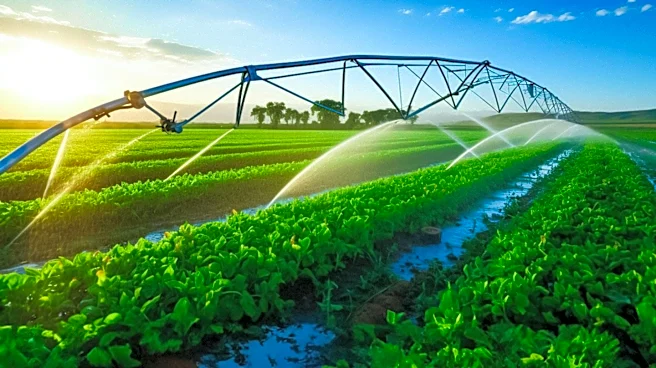
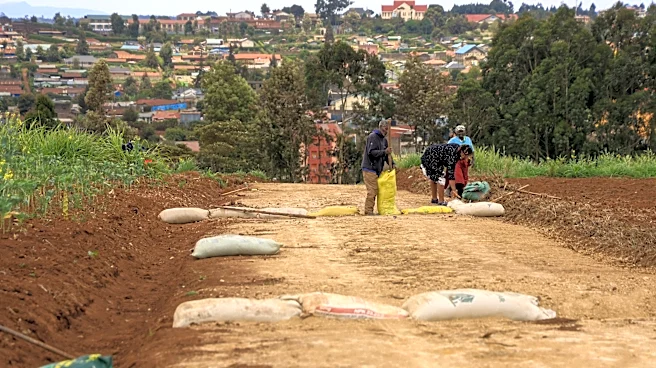
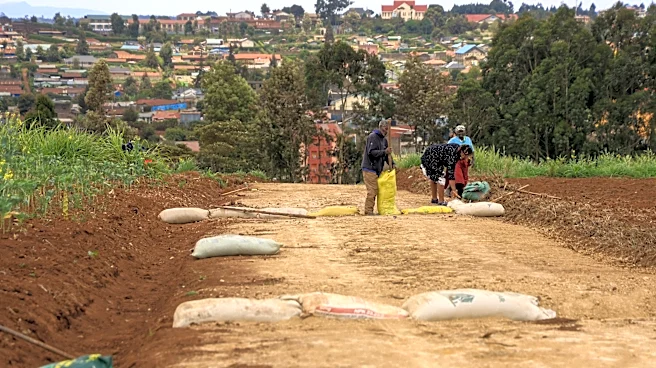
drought. Business leaders and economists are calling for measures to ensure sustained recovery and growth, building on recent economic milestones. The budget will emphasize capital expenditure, infrastructure development, and climate resilience, with capital expenditure projected to increase from 2.3 percent of GDP in 2026 to 3.8 percent in 2027. The government aims to collect approximately US$12.8 billion in revenue against an estimated expenditure of US$13.3 billion, resulting in a financing gap of about US$500 million. Key proposals from stakeholders include tax reforms to reduce the burden on businesses and individuals, such as increasing the tax-free income threshold and reviewing the Intermediated Money Transfer Tax (IMTT). The budget will also address the potential cereal deficit of 541,881 tonnes during the 2026/2027 agricultural season, with strategies including strengthening the Strategic Grain Reserve and expanding climate-smart agriculture.
Why It's Important?
The 2027 National Budget is critical for Zimbabwe as it navigates economic recovery and the severe threat of an El Niño-induced drought. The shift towards capital expenditure and climate resilience is vital for long-term economic stability and agricultural output, which is a cornerstone of the Zimbabwean economy. The proposed tax reforms, if implemented, could significantly impact businesses by reducing operating costs and improving competitiveness, potentially leading to increased investment and job creation. For ordinary citizens, tax relief and improved public services, such as healthcare and education, are paramount. The budget's success in addressing the anticipated cereal deficit will directly influence food security and the livelihoods of millions, particularly in rural areas. The balancing act between fiscal discipline and funding critical national priorities will determine the country's economic trajectory and its ability to withstand future climate shocks.
What's Next?
Finance Minister Professor Mthuli Ncube will deliver the 2027 National Budget statement, where the specifics of these proposals and government allocations will be unveiled. Following the budget presentation, there will be a period of implementation and monitoring to assess the effectiveness of the measures. Stakeholders, including business organizations and economic experts, will closely scrutinize the budget's impact on various sectors. The government's ability to translate macroeconomic stability into tangible improvements in living conditions, job opportunities, and the affordability of basic commodities will be a key indicator of success. Continued efforts to strengthen the Strategic Grain Reserve, expand climate-smart agriculture, and accelerate irrigation development will be crucial in mitigating the effects of the anticipated drought and ensuring food security for the nation.
Beyond the Headlines
The budget's focus on climate resilience highlights a growing global recognition of the economic and social costs of climate change. Zimbabwe's proactive measures, such as promoting drought-tolerant crops and agricultural insurance, reflect a strategic shift towards adaptation and mitigation. However, the challenge lies not only in policy formulation but also in effective implementation and resource allocation, particularly given the constrained fiscal environment. The debate over tax reforms and the allocation of funds also touches upon broader issues of governance, transparency, and equitable distribution of wealth. The success of this budget will not only be measured by economic indicators but also by its ability to improve the daily lives of Zimbabweans and build a more resilient society in the face of environmental and economic uncertainties.