






What's Happening?
A statewide coalition of disability rights advocates in Illinois is pushing for legislation, known as the Protective Medical Equipment Freedom Act or Kiki’s Law (SB3340), to legally protect the right to wear medical masks in public accommodations. This
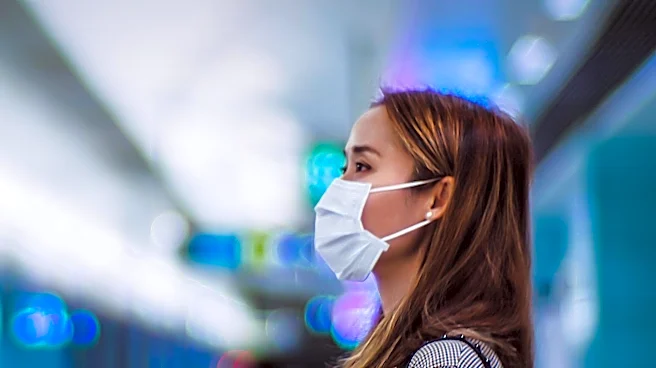
initiative stems from numerous reports of individuals facing harassment, discrimination, and loss of employment opportunities for wearing masks like KN95s or N95s. The bill, introduced by state Senator Graciela Guzmán and state Representative Nabeela Syed, aims to allow individuals to wear protective medical equipment in any public place without needing to disclose their health status. SB3340 passed the Illinois Senate in April but stalled in a House committee. Advocates are urging the House to pass the bill during the upcoming veto session in November. The legislation is intended to go beyond the Americans with Disabilities Act by protecting all individuals, regardless of their current health status, who choose to wear masks to protect themselves or vulnerable loved ones from airborne pathogens like measles, flu, RSV, and COVID-19.
Why It's Important?
This proposed legislation is significant for public health, civil liberties, and disability justice in Illinois. It seeks to establish a fundamental right that would protect vulnerable populations, including disabled individuals, the immunocompromised, and older adults, from discrimination and health risks. By enshrining the right to wear masks, Illinois could set a precedent for other states grappling with similar issues, potentially influencing national conversations about public health measures and individual freedoms. The bill also addresses workers' rights, aiming to prevent employers from banning masks and thereby exposing employees to unnecessary health risks. The broad support from various communities underscores a societal need for clear guidelines that balance individual choice with collective well-being, especially in the wake of recent public health crises. Its passage would affirm the importance of protective measures and challenge the stigma associated with mask-wearing.
What's Next?
The immediate next step for Kiki’s Law is its reintroduction and consideration during the Illinois House's veto session in November. Advocates will continue to lobby for its passage, emphasizing the widespread support and the personal testimonies of those affected by mask-related discrimination. If passed, Illinois would become the first state to enact such a law, potentially inspiring similar legislative efforts across the country. The implementation of the law would require public education campaigns to ensure both individuals and businesses understand their rights and obligations. Conversely, if the bill fails to pass, advocates may explore alternative legislative strategies or legal challenges to protect the rights of mask-wearers. The ongoing debate will likely continue to highlight the tension between individual health choices, business policies, and government regulation in a post-pandemic society.
Beyond the Headlines
Beyond its immediate impact on mask-wearing, Kiki’s Law touches upon deeper societal shifts regarding public health, personal autonomy, and the definition of disability rights. The legislation's attempt to extend protections beyond the ADA to healthy individuals who choose to mask for the protection of others highlights an evolving understanding of community health responsibility. It also implicitly challenges the notion that mask-wearing is solely a medical necessity, reframing it as a civil liberty and a proactive health choice. The resistance to such legislation, as evidenced by its stalling in the House, reflects ongoing cultural divisions and political polarization surrounding public health measures. The outcome in Illinois could serve as a bellwether for how other states navigate the balance between individual freedoms and collective health in an era where airborne pathogens remain a persistent threat, potentially influencing long-term public health policies and social norms.