







What's Happening?
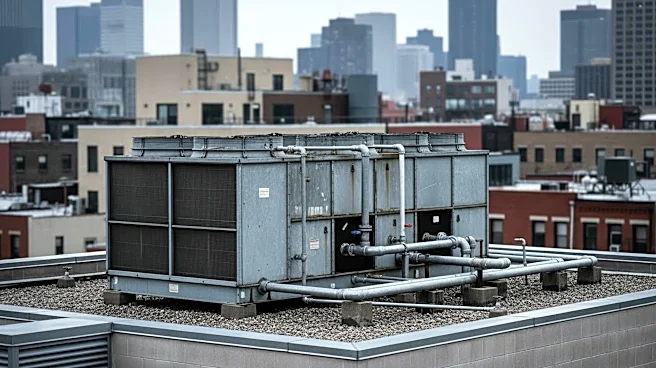
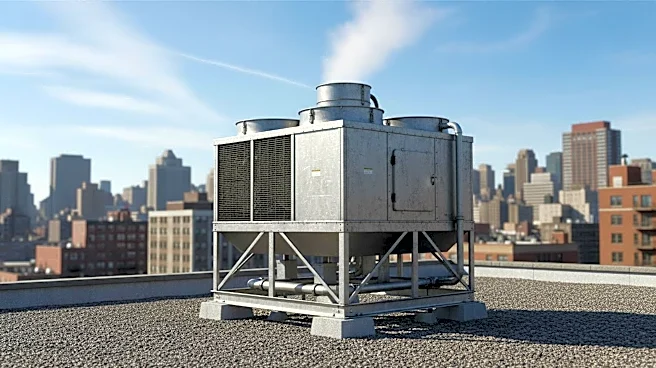
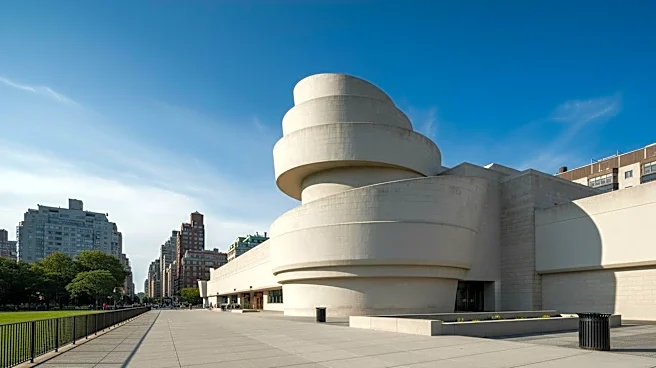
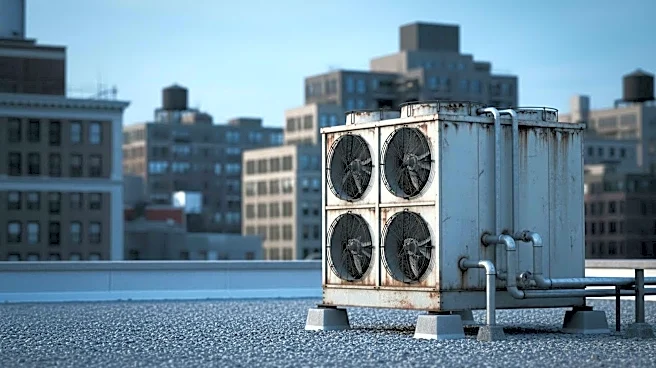
The Solomon R. Guggenheim Museum in New York City is among several buildings on the Upper East Side that tested positive for Legionella bacteria, which causes Legionnaires’ disease. The city health department has ordered 31 buildings to clean and disinfect
their cooling towers as part of efforts to control the outbreak. The museum, a UNESCO World Heritage site, has completed the necessary remediation and remains open to the public. The outbreak has affected over 50 people, with less than 20 currently hospitalized. City officials emphasize that the positive tests do not confirm the buildings as the outbreak's source, as the tests cannot differentiate between live and dead bacteria.
Why It's Important?
The presence of Legionella bacteria in prominent buildings like the Guggenheim Museum highlights the ongoing public health challenges posed by Legionnaires’ disease, particularly in urban environments. The outbreak underscores the importance of regular maintenance and monitoring of building water systems to prevent the spread of the disease. This situation could lead to increased regulatory scrutiny and more stringent public health measures to ensure the safety of residents and visitors. The outbreak also serves as a reminder of the vulnerabilities in urban infrastructure and the need for proactive measures to protect public health.
What's Next?
City health officials will continue to monitor the situation and ensure compliance with disinfection orders. The ongoing investigation aims to identify the source of the outbreak and prevent further cases. Public health campaigns may be intensified to raise awareness about the disease and its prevention. Building owners and managers might face increased pressure to implement regular testing and maintenance of water systems. The city may also review and update its public health policies to better address such outbreaks in the future.