






What's Happening?
The Portland Clean Energy Fund (PCEF), established through a tax on large corporate retailers, is under scrutiny as city leaders debate redirecting its funds to other priorities. The fund, initially intended to support climate and clean energy projects,
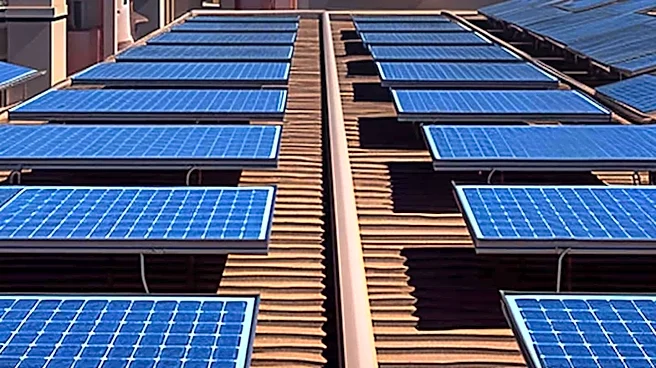
has generated more revenue than anticipated. Some city leaders propose using the excess funds for other needs, such as renovating the Moda Center or increasing police staffing. Currently, PCEF funds programs like Girls Build, a summer camp that combines construction training with environmental education. The camp, which primarily serves girls in foster care and those experiencing unstable housing, teaches skills such as reducing lumber waste and installing solar panels. The program also includes a community service component, donating built playhouses to shelters and preschools. Girls Build received $130,000 from PCEF this year, allowing it to expand its projects and hire former campers as instructors.
Why It's Important?
The debate over the allocation of PCEF funds highlights the tension between maintaining dedicated funding for environmental initiatives and addressing immediate city needs. Programs like Girls Build demonstrate the fund's impact on community development and education, particularly for underserved populations. Redirecting funds could undermine these initiatives, affecting the long-term goals of sustainability and community empowerment. However, the proposal to reallocate funds reflects pressing urban challenges, such as infrastructure and public safety, that require immediate attention. The outcome of this debate could set a precedent for how cities balance environmental commitments with other civic responsibilities.
What's Next?
As discussions continue, stakeholders from various sectors, including environmental groups and city officials, will likely engage in negotiations to determine the future of PCEF allocations. The decision could influence similar funds in other cities, potentially reshaping how urban areas prioritize and fund environmental projects. Public input and advocacy may play a crucial role in the final decision, as community members express their priorities for the fund's use.