







What's Happening?
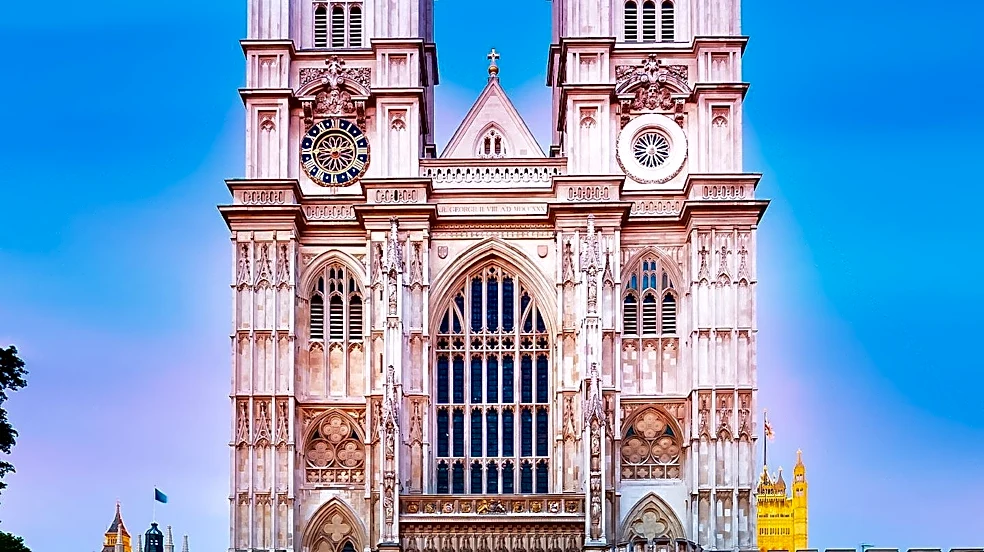
A Roman sarcophagus discovered at Westminster Abbey over 150 years ago, initially believed to contain the remains of Valerius Amandinus from the 4th century CE, has been re-evaluated by archaeologists. According to Westminster Abbey archaeological consultant
Warwick Rodwell, co-author of a study in the Journal of the British Archaeological Association, the sarcophagus was likely reused for the burial of a high-ranking Benedictine monk during the medieval period. The limestone tomb, originally crafted in the 4th century CE, features an inscription to Valerius Amandinus, but its lid clearly displays a more recent medieval Latin cross. This discrepancy led researchers to conclude that the sarcophagus was repurposed. Extensive stonework analysis and skeletal carbon dating have narrowed down the potential occupants to two Benedictine abbots: Aelfwig, who died around 1020, or his successor Wulnoth, who died in 1049. Skeletal examinations suggest the individual was 35 to 49 years old and approximately 5-foot 9-inches tall at the time of death.
Why It's Important?
This discovery offers a rare insight into medieval funerary practices and the recycling of ancient artifacts in England. The reuse of a Roman sarcophagus for a high-ranking monk highlights the practical and symbolic significance of such objects in the medieval period, demonstrating a continuity of reverence for monumental burials, even if the original context was Roman. For historical and archaeological studies, this finding enriches the understanding of Westminster Abbey's long and complex history, revealing layers of occupation and adaptation. It also provides valuable data on the lives and physical characteristics of medieval monastic leaders. The meticulous archaeological work involved in re-evaluating this artifact underscores the ongoing process of historical interpretation and the potential for new technologies to shed light on long-standing mysteries, contributing to a more nuanced understanding of European history.
What's Next?
Further detailed analysis of the skeletal remains and the sarcophagus itself could potentially provide more definitive evidence to identify the specific monk interred within. This might involve advanced DNA analysis or more precise dating techniques, if feasible. The findings will likely be incorporated into the historical narratives and exhibits at Westminster Abbey, offering visitors a deeper understanding of its past. Researchers may also explore other instances of funerary recycling in medieval Europe to see if this practice was more widespread than currently understood. The study's publication in a peer-reviewed journal will encourage scholarly discussion and potentially inspire similar re-examinations of historical artifacts in other significant sites.
Beyond the Headlines
The story of the Roman sarcophagus at Westminster Abbey transcends a mere archaeological discovery; it speaks to the enduring human practice of repurposing and reinterpreting cultural artifacts across millennia. The act of burying a medieval monk in a Roman tomb suggests a complex interplay of practical necessity, symbolic appropriation, and perhaps a desire to connect with a grander, more ancient past. This 'funerary recycling' challenges modern notions of preservation and originality, offering a glimpse into a time when resources were scarce and historical objects were integrated into contemporary life in ways that might seem unconventional today. It also highlights the continuous evolution of sacred spaces and how they accumulate layers of meaning and history, reflecting the changing beliefs and practices of successive generations. The mystery surrounding the identity of the monk adds a human element to the scientific investigation, connecting us to individuals whose lives shaped the early history of a foundational English institution.