






What's Happening?
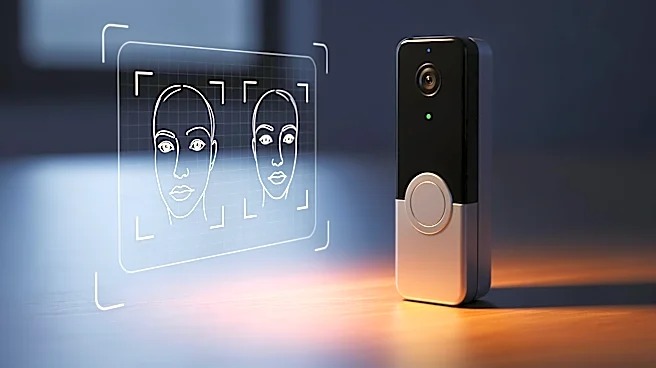
Amazon is currently facing a class-action lawsuit concerning its Ring doorbell cameras, which are alleged to have collected facial data without consent. The lawsuit, filed in federal court in Washington state, targets the 'Familiar Faces' feature introduced
in December 2025. This feature uses facial recognition technology to scan, store, and classify individuals captured on camera, including passersby, converting their images into biometric identifiers or 'faceprints' for up to six months. The complaint argues that this data collection occurs without proper notice or consent, potentially violating privacy laws. The lawsuit also highlights concerns about the broader implications of facial recognition technology, particularly its potential for misidentification, especially among people of color and women. Amazon has declined to comment on the lawsuit, citing ongoing litigation.
Why It's Important?
This lawsuit underscores significant privacy and ethical concerns surrounding the use of facial recognition technology in consumer products. If the allegations are proven, it could lead to stricter regulations and oversight on how companies collect and use biometric data. The outcome of this case could set a precedent for how privacy laws are applied to emerging technologies, potentially impacting tech companies' operations and their approach to consumer data. The case also highlights the ongoing debate about the balance between technological innovation and individual privacy rights, with potential implications for consumer trust and corporate accountability.
What's Next?
The legal proceedings will likely explore the extent of Amazon's data collection practices and whether they comply with existing privacy laws. If the court rules against Amazon, the company may face significant financial penalties and be required to alter its data collection practices. This case could prompt other tech companies to reevaluate their use of biometric technologies to avoid similar legal challenges. Additionally, lawmakers and regulators might use this case as a catalyst to introduce more stringent privacy regulations, particularly concerning biometric data.