









What's Happening?
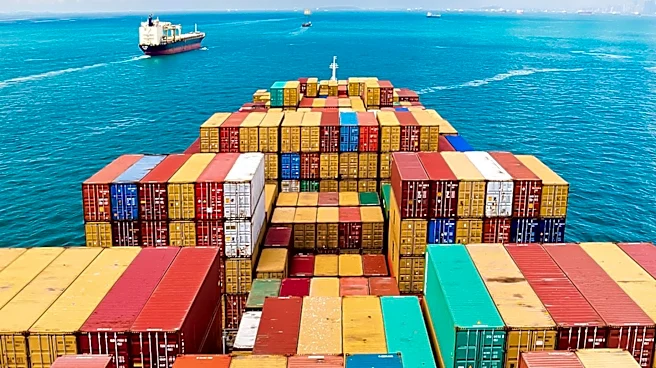
China has announced a temporary ban on helium exports, effective immediately, due to escalating military tensions in the Middle East. This decision comes as the U.S.-Israeli conflict with Iran threatens to exacerbate global helium shortages, which are
critical for semiconductor manufacturing. Helium is essential for heat management in chip production, and the ban is part of China's strategy to prevent domestic shortages of critical materials. China, heavily reliant on imported helium, has been acting as an intermediary, importing Russian helium and re-exporting it to other markets. The ban could further tighten global supply, impacting industries reliant on helium for production processes.
Why It's Important?
The temporary ban on helium exports by China highlights the interconnectedness of global supply chains and the potential for geopolitical tensions to disrupt critical industries. Helium is vital for semiconductor manufacturing, an industry already facing challenges due to supply chain disruptions and increased demand. The ban could lead to increased costs and production delays for companies reliant on helium, affecting sectors such as technology and healthcare. Additionally, China's move underscores the strategic importance of securing domestic supplies of critical materials, a trend that could lead to increased protectionism and trade tensions. Stakeholders in the semiconductor industry and related sectors must navigate these challenges to ensure continuity of supply and mitigate potential impacts on production and innovation.
What's Next?
The global semiconductor industry will need to assess the impact of China's helium export ban on their supply chains and explore alternative sources or strategies to mitigate potential disruptions. Governments and industry leaders may need to engage in diplomatic efforts to address the underlying geopolitical tensions and ensure stable supply chains for critical materials. Additionally, companies may need to invest in research and development to find alternative materials or processes that reduce reliance on helium. The situation underscores the importance of resilience and adaptability in global supply chains, as well as the need for strategic planning to address potential future disruptions.