






What's Happening?
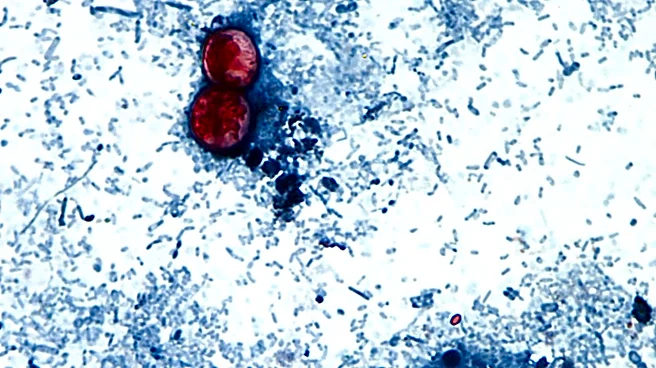
The Centers for Disease Control and Prevention (CDC) has identified the spread of Candida auris, a drug-resistant fungus, across 23 states in the U.S. as of July 2026. This fungus, labeled as an 'urgent antimicrobial resistance threat,' has been detected
in states including Texas, Michigan, and Illinois, which have reported the highest number of cases. Candida auris is a type of yeast that can cause severe illness, particularly in hospital and long-term care settings. The fungus is known for its resistance to multiple drugs, complicating treatment efforts. The CDC's data indicates that the majority of infections occur in individuals aged 45 and older, often in acute healthcare environments. The agency emphasizes the importance of rapid detection, screening programs, and stringent infection-control measures to curb the spread of this fungus.
Why It's Important?
The spread of Candida auris poses significant challenges to public health due to its drug-resistant nature, making it difficult to treat and control. This situation underscores the critical need for enhanced infection control practices in healthcare settings to prevent outbreaks. The fungus primarily affects vulnerable populations, such as those with weakened immune systems, and can lead to severe health complications. The widespread presence of Candida auris across multiple states highlights the potential for a national health crisis if not adequately addressed. The healthcare industry, particularly hospitals and long-term care facilities, must prioritize resources and strategies to manage and mitigate the impact of this superbug. The situation also calls for increased awareness and education among healthcare providers and the public to prevent further transmission.
What's Next?
Healthcare facilities are expected to intensify their infection control measures, including rigorous screening and monitoring of patients, to prevent further spread of Candida auris. The CDC will likely continue to update its surveillance data and provide guidance to state and local health departments. There may be increased funding and research efforts aimed at developing effective treatments and containment strategies for drug-resistant infections. Public health campaigns could be launched to raise awareness about the risks associated with Candida auris and the importance of infection prevention practices. Additionally, policymakers might consider implementing stricter regulations and protocols in healthcare settings to address this growing threat.