




What's Happening?
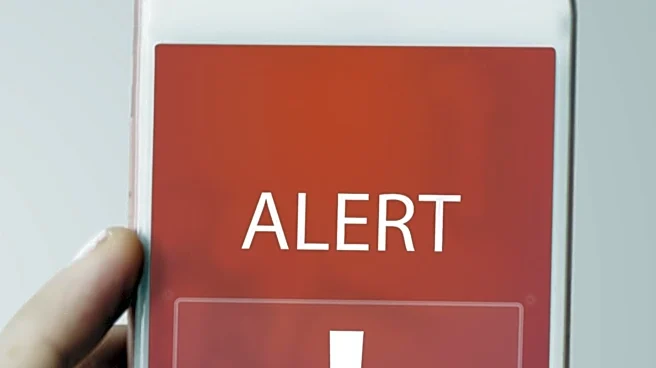
Haiti has developed and tested a manually triggered, geo-targeted SMS alerting mechanism to enhance its early warning capabilities. This initiative, part of the EW4All program and supported by the International Telecommunication Union (ITU), addresses
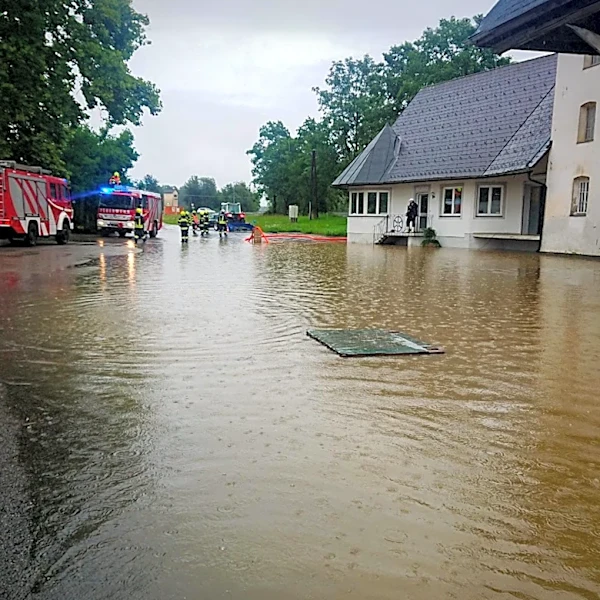
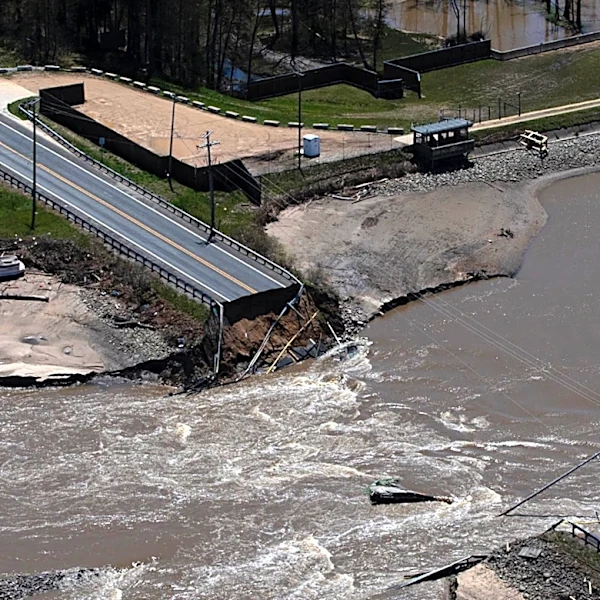
the country's high vulnerability to natural disasters such as hurricanes, floods, and earthquakes, which expose over 96% of its population to at least two hazards. The system was successfully activated in June 2025 during the Pélgre Dam emergency, warning communities downstream of a controlled water release. Approximately 140,000 messages were sent, with over 114,000 delivered. This practical solution was implemented despite Haiti's fragile operating conditions, including poverty, political instability, infrastructure gaps, blackouts, security constraints, and limited institutional resources, which have prevented the deployment of a fully automated national public warning system. The mechanism relies on existing SMS technology, which is widely accessible even on basic phones, and is complemented by in-person training and technical support from the ITU on message preparation, coordination procedures, dissemination workflows, and technical encoding.
Why It's Important?
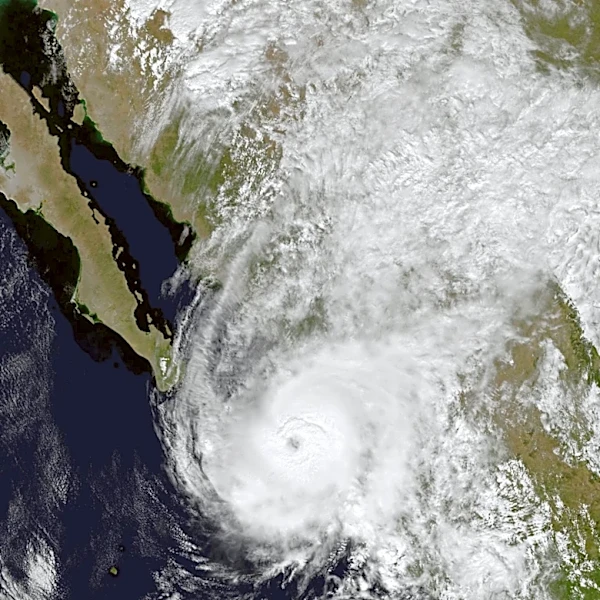
This development is crucial for Haiti, a nation grappling with severe humanitarian crises and a high risk of natural disasters. The implementation of a geo-targeted SMS alert system, even if manually triggered, significantly improves the country's ability to disseminate critical warnings to its population, potentially saving lives and reducing injuries. Given the fragile operating conditions, including political instability and infrastructure deficits, a practical and accessible warning system is vital for disaster preparedness and response. The success of this system in real-world scenarios, such as the Pélgre Dam emergency and Hurricane Melissa, demonstrates its immediate value in a resource-constrained environment. This approach highlights that effective warning systems do not always require advanced, fully automated technologies, but can be built upon existing infrastructure with proper coordination and training. The initiative also underscores the importance of international collaboration, with organizations like the ITU providing essential technical support and capacity building.
What's Next?
While the current SMS-based system provides immediate operational value, Haiti plans to complement it with other communication channels such as radio, sirens, community-based communication, and Cell Broadcast (CB) to overcome the limitations of SMS, including network congestion, power shortages, and gaps in mobile coverage. The ongoing efforts to explore more advanced mobile-based warning technologies like CB and integrated location-based SMS indicate a long-term vision for a more comprehensive and automated national public warning system. Continued multi-stakeholder coordination, involving the Directorate of Civil Protection, CONATEL, and telecom stakeholders, will be essential for the sustained effectiveness and future expansion of these warning mechanisms. The experience gained from this manually triggered system will likely inform the development and deployment of more sophisticated solutions, ensuring that Haiti can better protect its population from the escalating threats of natural hazards.
Beyond the Headlines
The successful deployment of this SMS alert system in Haiti offers a significant lesson for other fragile and resource-constrained nations facing similar challenges. It demonstrates that immediate improvements in disaster preparedness can be achieved through pragmatic solutions that leverage existing technologies and foster strong multi-stakeholder collaboration. This approach prioritizes rapid implementation and operational value over waiting for ideal, fully automated systems, which can be a lengthy and resource-intensive process. The ethical implication lies in ensuring equitable access to these warnings, particularly for the most vulnerable populations who may lack consistent mobile access or literacy. Furthermore, the reliance on a manually triggered system highlights the critical role of human coordination and training, emphasizing that technology alone is insufficient without robust human infrastructure and clear operational procedures. This model could serve as a blueprint for international aid organizations and governments seeking to build resilience in high-risk, low-resource settings.