







What's Happening?
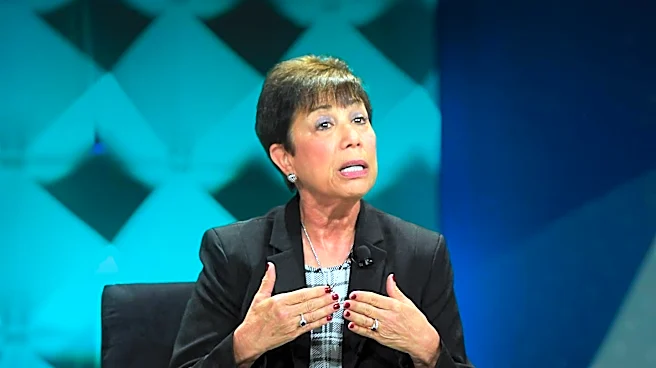
Computer science education is increasingly incorporating social-emotional learning (SEL) to help students manage emotions and build resilience. Nadia Taylor, a computer science implementation specialist, highlights how programming challenges can evoke
frustration and embarrassment among students, making SEL a valuable tool. At the ISTELive 26 + ASCD annual conference, Taylor discussed using digital mood meters to help students express their emotions and track trends. This approach not only aids in emotional management but also supports problem-solving and independence. Techniques like 'rubber ducky debugging', where students articulate their code to an inanimate object, further enhance SEL by fostering problem-solving skills.
Why It's Important?
Integrating SEL into computer science education addresses the emotional challenges students face in STEM fields, promoting a more holistic learning experience. By equipping students with strategies to manage emotions, educators can enhance resilience and problem-solving abilities, crucial skills in both academic and professional settings. This approach also aligns with broader educational goals of fostering well-rounded individuals who can navigate complex emotional landscapes. As technology continues to play a central role in education, incorporating SEL can help mitigate the negative impacts of screen time and promote mental well-being.