





What's Happening?
Newton, Massachusetts, is grappling with significant traffic congestion on Route 9, particularly at the intersection of Route 9 and Elliot and Woodward Streets. This specific intersection is identified as the primary source of delays, where traffic crosses
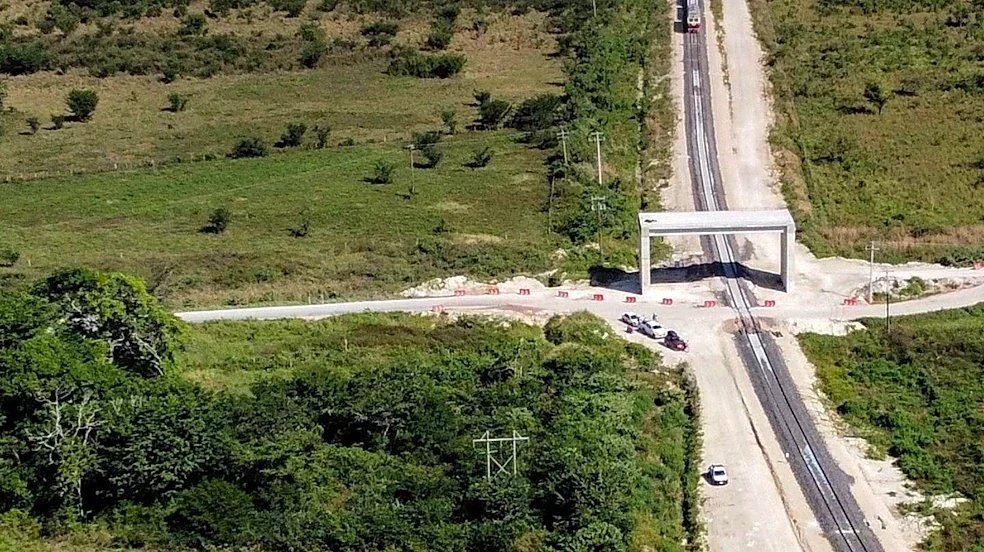
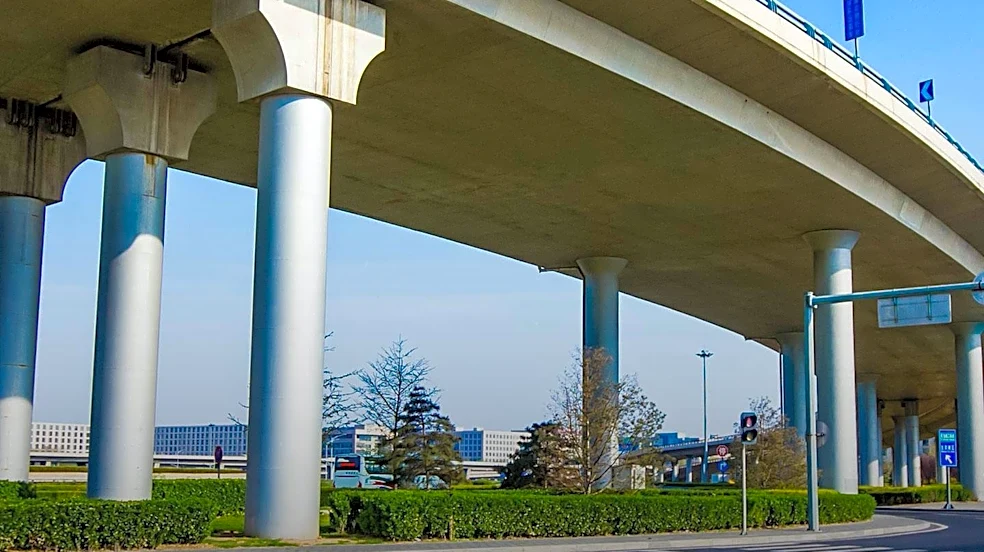
from both sides and vehicles are permitted to turn left and right from all approaches. The current situation leads to extensive backups, with eastbound Route 9 traffic sometimes extending a mile to Route 128, and westbound traffic frequently backing up 1.5 miles to Langley Road. This translates to hundreds of frustrated drivers stuck in traffic through multiple light cycles. To address this, a proposed solution involves creating a grade-separated intersection by sinking Route 9 into an underpass at the Elliot-Woodward crossing. This would allow traffic on Woodward and Elliot Streets to cross Route 9 on an overpass, similar to existing grade-separated intersections in Newton.
Why It's Important?
The persistent traffic congestion on Route 9 in Newton has several negative impacts on the community and its residents. Drivers experience significant travel delays, leading to wasted time and increased frustration. The idling vehicles contribute to air pollution in adjacent neighborhoods, posing environmental and health concerns. Furthermore, the current intersection design presents safety risks, including the potential for head-on collisions. Implementing an underpass would not only alleviate traffic jams and reduce travel times but also enhance safety for motorists, pedestrians, and bicyclists. Improved traffic flow on Woodward Street, which currently experiences backups, would also benefit. The project could also make adjacent underutilized commercial parcels more attractive for development, potentially leading to new mixed-use projects that include housing and commercial spaces, thereby fostering economic growth and better connecting different parts of the community.
What's Next?
The proposal for a Route 9 underpass at the Elliot-Woodward intersection is a significant step towards addressing Newton's most severe traffic bottleneck. The next phase would likely involve detailed engineering studies, environmental impact assessments, and securing funding for such a large-scale infrastructure project. Community engagement and public hearings would be crucial to gather feedback from residents, businesses, and local stakeholders. If approved, the project would require extensive planning and construction, potentially causing temporary disruptions but ultimately aiming for long-term benefits. The success of this initiative could also serve as a model for other congested urban areas facing similar challenges, demonstrating how strategic infrastructure improvements can significantly enhance urban mobility and quality of life.
Beyond the Headlines
Beyond the immediate benefits of reduced congestion and improved safety, the proposed underpass on Route 9 in Newton highlights a broader trend in urban planning: the shift towards innovative engineering solutions to manage the challenges of urbanization and population growth. This project reflects a recognition that traditional traffic management methods are often insufficient for high-volume corridors. By creating a grade separation, Newton would be investing in a long-term solution that not only addresses current problems but also anticipates future traffic demands. This approach can foster a more sustainable urban environment by reducing vehicle emissions and encouraging more efficient transportation. It also underscores the importance of integrating infrastructure development with community needs, aiming to create a more livable and connected city.