








What's Happening?
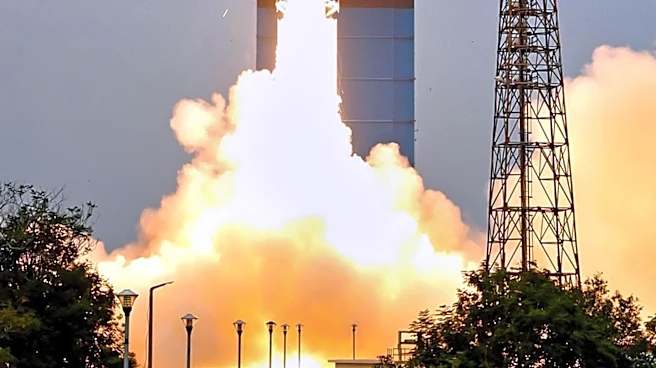
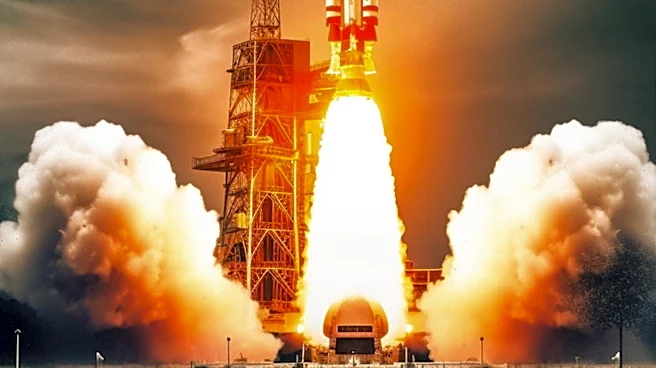
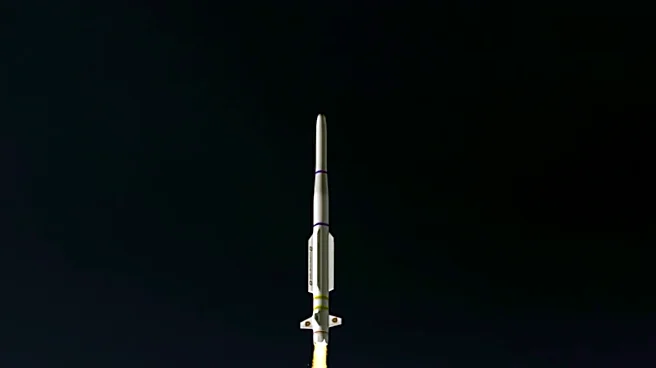
On July 18, 2026, Skyroot Aerospace successfully launched Vikram-1, India's first privately developed orbital-class rocket, from the Satish Dhawan Space Centre in Sriharikota. The mission, named 'Mission Aagaman,' marked a significant milestone for India's space sector,
placing multiple technology demonstration payloads and postcards, including one from Prime Minister Narendra Modi, into low-Earth orbit. The Vikram-1 rocket, standing 22 meters tall, is designed to carry payloads of up to 350 kg. This launch signifies India's entry into an elite group of nations with private orbital launch capabilities, following policy reforms that opened the space sector to private participation.
Why It's Important?
The successful launch of Vikram-1 represents a pivotal moment for India's burgeoning private space industry, highlighting the country's growing capabilities in space technology. This achievement underscores the impact of recent policy reforms aimed at fostering private sector participation in space activities. By enabling private companies like Skyroot Aerospace to develop and launch orbital rockets, India is positioning itself as a competitive player in the global space economy. This development is expected to inspire further innovation and investment in the sector, potentially leading to increased economic opportunities and technological advancements.
What's Next?
Following the success of Mission Aagaman, Skyroot Aerospace plans to conduct additional test flights before transitioning to routine commercial launches. The company aims to leverage the data gathered from this mission to refine its technology and enhance its launch capabilities. As India's private space sector continues to expand, further collaborations and partnerships with international stakeholders are anticipated. The Indian government, through agencies like IN-SPACe, is likely to continue supporting private sector initiatives, facilitating the growth of a robust space ecosystem.