
What's Happening?
A recent study has detailed a protocol for isolating and characterizing lipocartilage in mice, which could have significant implications for understanding skeletal physiology. Lipocartilage, found in various
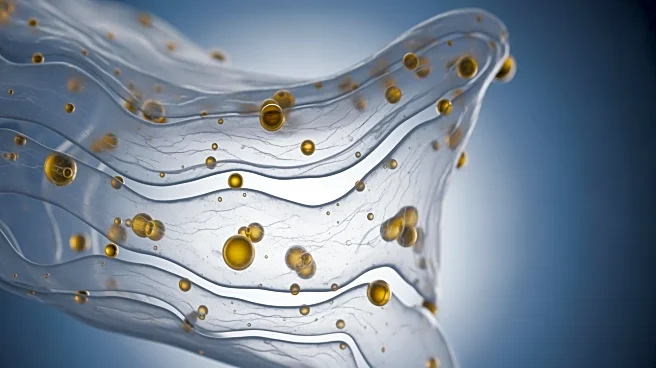
mammals including humans, is characterized by large intracellular lipid vacuoles rather than a substantial extracellular matrix. This type of cartilage is composed of cells known as lipochondrocytes, which play a crucial role in tissue physiology, regenerative potential, and aging. The study provides a comprehensive guide for isolating lipocartilage from mouse ears, purifying lipochondrocytes, and conducting biomechanical assays. The protocol, while currently validated only in mice, may be adaptable for larger mammals with some modifications. This research is expected to set a standard for future experiments in developmental biology, bioengineering, and metabolism.
Why It's Important?
The study of lipocartilage is important as it enhances the understanding of skeletal physiology and the role of lipochondrocytes in tissue regeneration and aging. This research could lead to advancements in treating musculoskeletal disorders and improving regenerative medicine techniques. By establishing a standard protocol for isolating and studying lipocartilage, scientists can better explore the metabolic and biomechanical properties of these tissues. This could potentially lead to new therapeutic strategies for conditions that affect cartilage and bone health, impacting a wide range of medical fields and improving patient outcomes.
What's Next?
Future research may focus on adapting the protocol for larger mammals, which could broaden the applicability of these findings to human health. Additionally, further studies could explore the potential for using lipocartilage in regenerative medicine, particularly in developing treatments for cartilage-related injuries and diseases. Researchers may also investigate the genetic and metabolic pathways involved in lipocartilage function, which could uncover new targets for therapeutic intervention.
Beyond the Headlines
The implications of this research extend beyond immediate medical applications. Understanding the unique properties of lipocartilage could influence the design of bioengineered tissues and materials, potentially leading to innovations in prosthetics and implants. Moreover, insights into the metabolic processes of lipochondrocytes could inform broader studies on lipid metabolism and its impact on health and disease.