







What's Happening?
The 2026 FIFA World Cup, set to begin on June 11 in Mexico City and conclude on July 19 at MetLife Stadium in New Jersey, will feature 48 national teams playing 104 games across 16 cities in Canada, Mexico, and the United States. With millions of fans
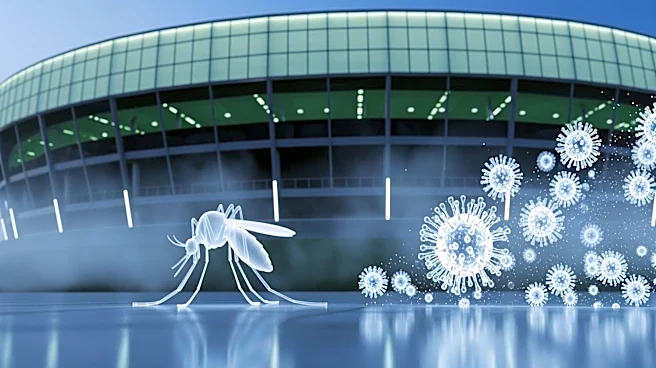
expected to attend, an emergency physician has highlighted the health challenges posed by such mass gatherings, particularly in the context of extreme summer heat. The physician advises fans to be cautious of heat-related illnesses, which can be exacerbated by alcohol consumption. Additionally, the risk of infectious diseases, such as measles, is heightened, with the U.S. experiencing its largest outbreak in decades. Fans are encouraged to ensure they are vaccinated against measles, flu, and COVID-19. The physician also notes the increased risk of cardiac events during high-stakes matches and advises those with heart conditions to consult their doctors before attending.
Why It's Important?
The health tips provided by the emergency physician are crucial for ensuring the safety and well-being of the millions of fans attending the World Cup. The advice addresses the potential for heat-related illnesses, which can be life-threatening if not managed properly, especially in the hot climates of host cities like Houston and Los Angeles. The emphasis on vaccination is significant given the current measles outbreak and the ongoing threat of COVID-19, which could lead to widespread transmission among attendees. Furthermore, the guidance on cardiac risks highlights the physiological impact of intense sports events, which can lead to increased emergency incidents. By preparing fans for these risks, the advice aims to reduce the burden on emergency services and ensure a safer experience for all attendees.
What's Next?
As the World Cup approaches, fans are encouraged to take proactive measures to protect their health, such as staying hydrated, moderating alcohol intake, and ensuring vaccinations are up to date. Stadiums and event organizers may need to review and possibly revise their policies on outside water bottles to accommodate the need for hydration in extreme heat. Public health authorities will likely continue to monitor infectious disease risks and may implement additional screening measures at entry points. Fans with pre-existing health conditions should consult healthcare providers for personalized advice. Emergency services in host cities are expected to prepare for increased demand, and fans are advised to familiarize themselves with emergency procedures and locations of medical facilities.
Beyond the Headlines
The World Cup presents an opportunity to examine the broader implications of hosting large-scale international events in the context of public health. The challenges highlighted by the emergency physician underscore the need for robust public health infrastructure and coordination among host countries. The event also raises questions about the sustainability of hosting such events in regions prone to extreme weather conditions. Additionally, the focus on individual health preparedness reflects a shift towards personal responsibility in managing health risks, particularly in light of reduced federal workforce capacity at agencies like the CDC. This development may influence future public health strategies for mass gatherings.